How photogrammetry is revolutionizing modern construction
Although not a new invention, photogrammetry has gained popularity in the construction industry in recent years thanks to modern technology. By precisely mapping terrain and objects, engineers and architects can create accurate 3D models that facilitate project planning and implementation. Photogrammetry services are becoming an invaluable tool, saving time and resources and minimizing errors. In this article, we’ll take a look at how photogrammetry is transforming construction processes, increasing efficiency and precision on the job. We invite you to discover how these technologies are impacting the future of construction.
Introduction to photogrammetry
Photogrammetry is the cornerstone of modern technology use in construction. It allows the creation of detailed 3D models from photographs, which significantly supports design and construction processes. In this section, we will look at the basic principles of photogrammetry, its history and the evolution of the technology.
Basics of photogrammetry
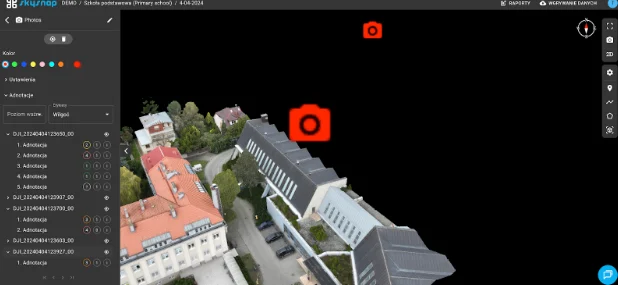
Photogrammetry is a technique that involves mapping the shapes and dimensions of objects using photo analysis. It makes it possible to create accurate 3D models. The process begins with taking numerous photos from different angles.
Then, using specialized software, common points in the images are analyzed, allowing spatial reconstruction. The technology is used not only in construction, but also in cartography and archaeology.
With precise measurements, engineers can better plan their work, minimizing the risk of construction errors. Photogrammetry is used in both small and large construction projects, making it a versatile tool in the industry.
History and development of technology
The origins of photogrammetry date back to the 19th century, when photographs were first used for surveying. Over the years, the technology has undergone many improvements, allowing it to be more widely used in various fields.
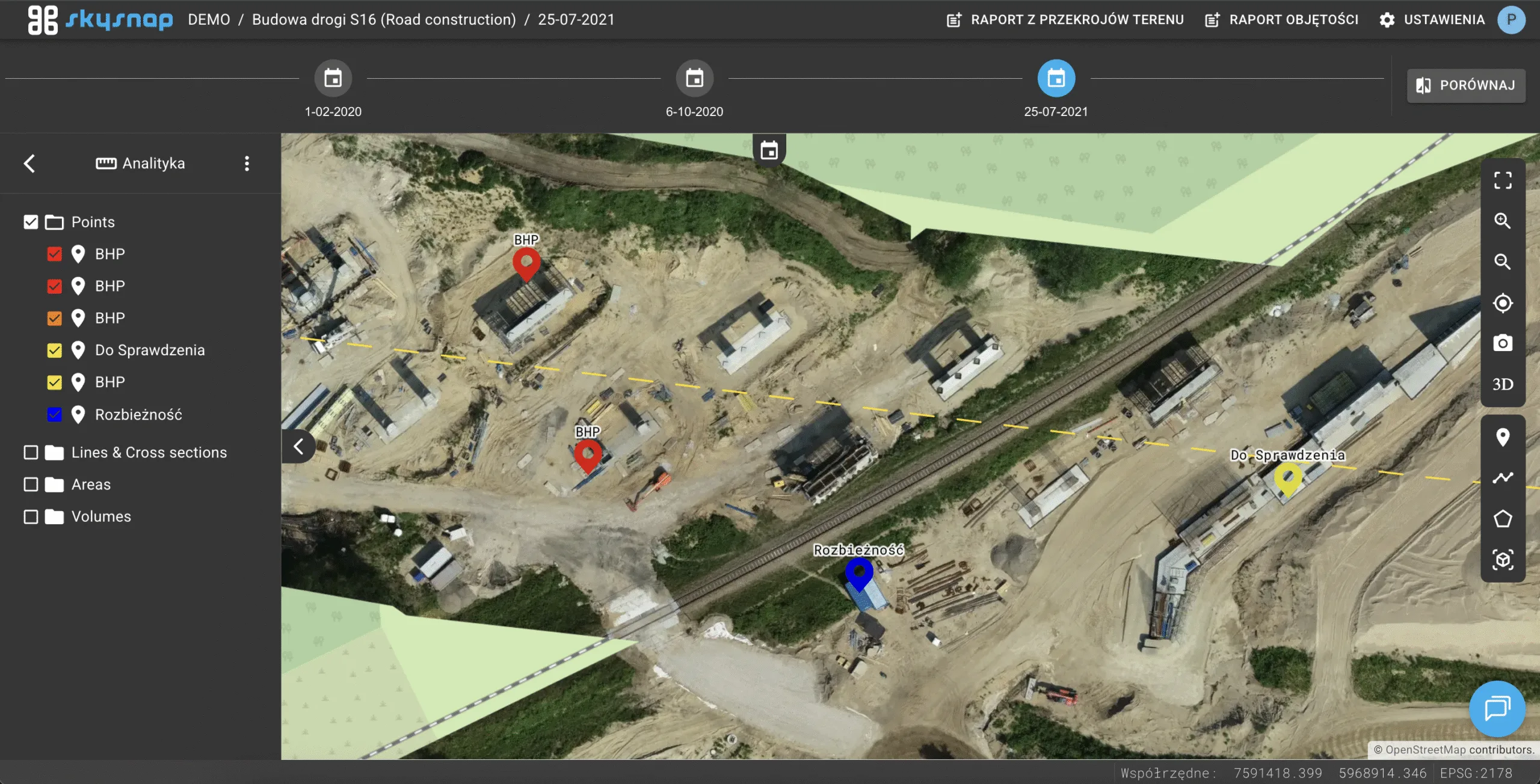
The use of modern cameras and drones has made it possible to significantly speed up the data collection process. As a result, photogrammetry has become more accessible to the construction industry, making it possible to create accurate and detailed site maps.
Today, developments in artificial intelligence and machine learning are contributing to further innovation in this field. The automation of image analysis processes allows even faster and more accurate creation of models, which significantly affects the efficiency of construction work.
Applications in the construction industry
Photogrammetry offers many applications in the construction industry, from accurate design to monitoring the progress of work. In this section, we will discuss how the technology supports design processes and enables efficient management of construction projects.
Design and planning
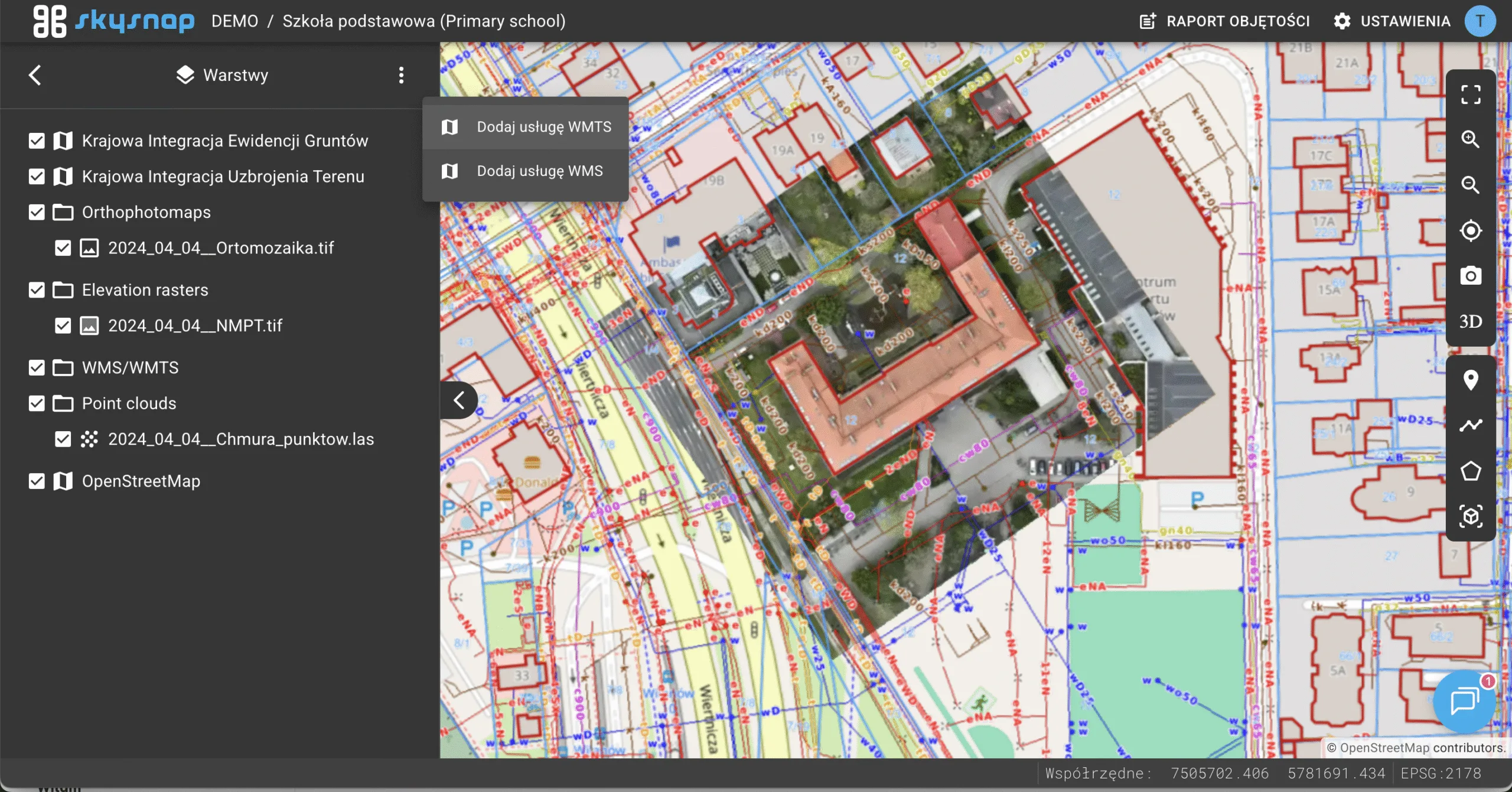
Photogrammetry plays a key role in the architectural design process. Creating precise 3D models enables a better understanding of the terrain and surrounding space, which is essential for proper planning.
It allows architects to visualize designs in 3D, making it easier to identify potential problems before construction begins. Photogrammetry also allows projects to better align with existing infrastructure and natural terrain.
In the planning process, photogrammetry also supports risk assessment and enables more precise estimation of construction costs. As a result, unforeseen expenses and project delays can be avoided.
Monitoring construction progress
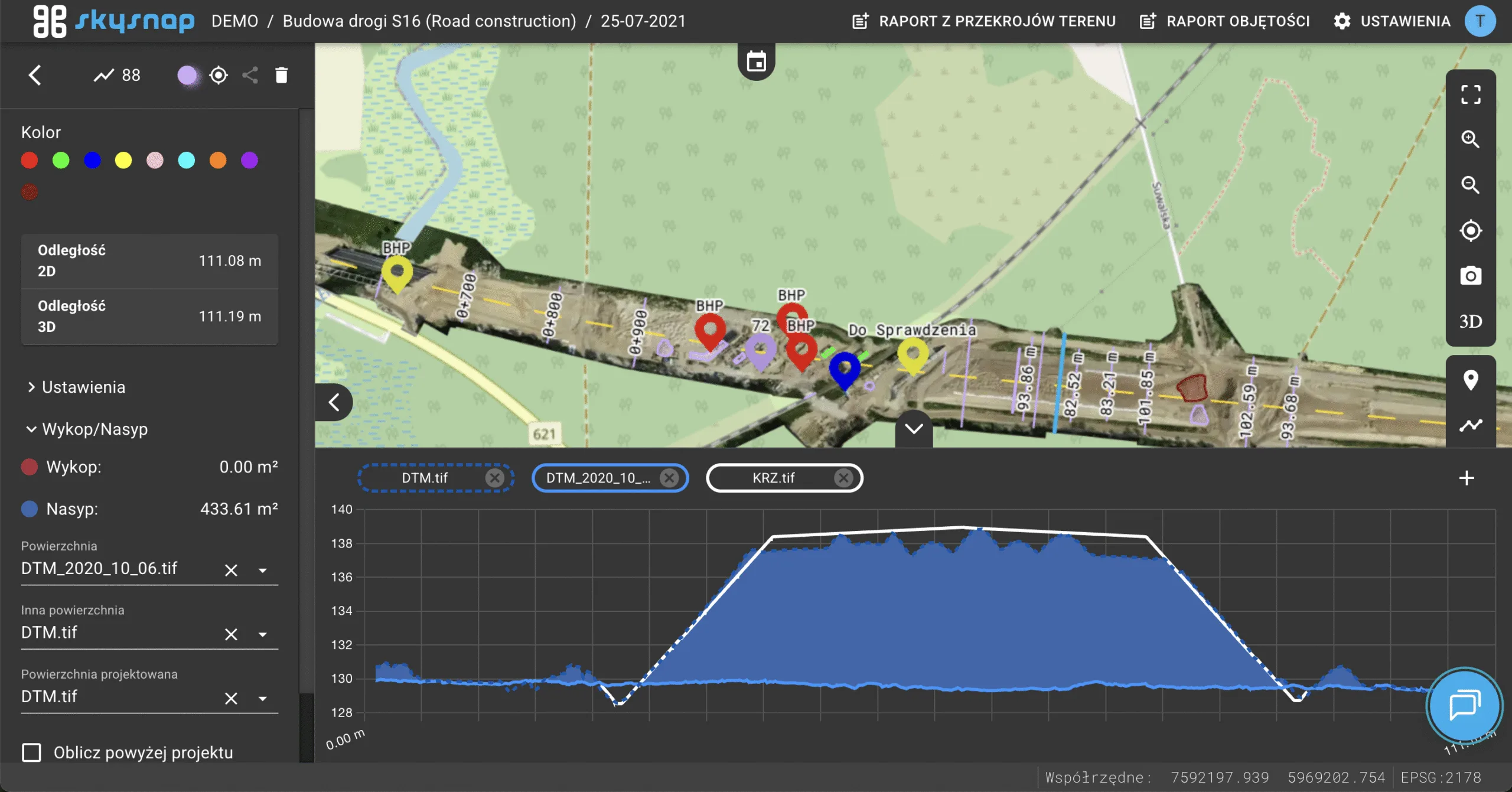
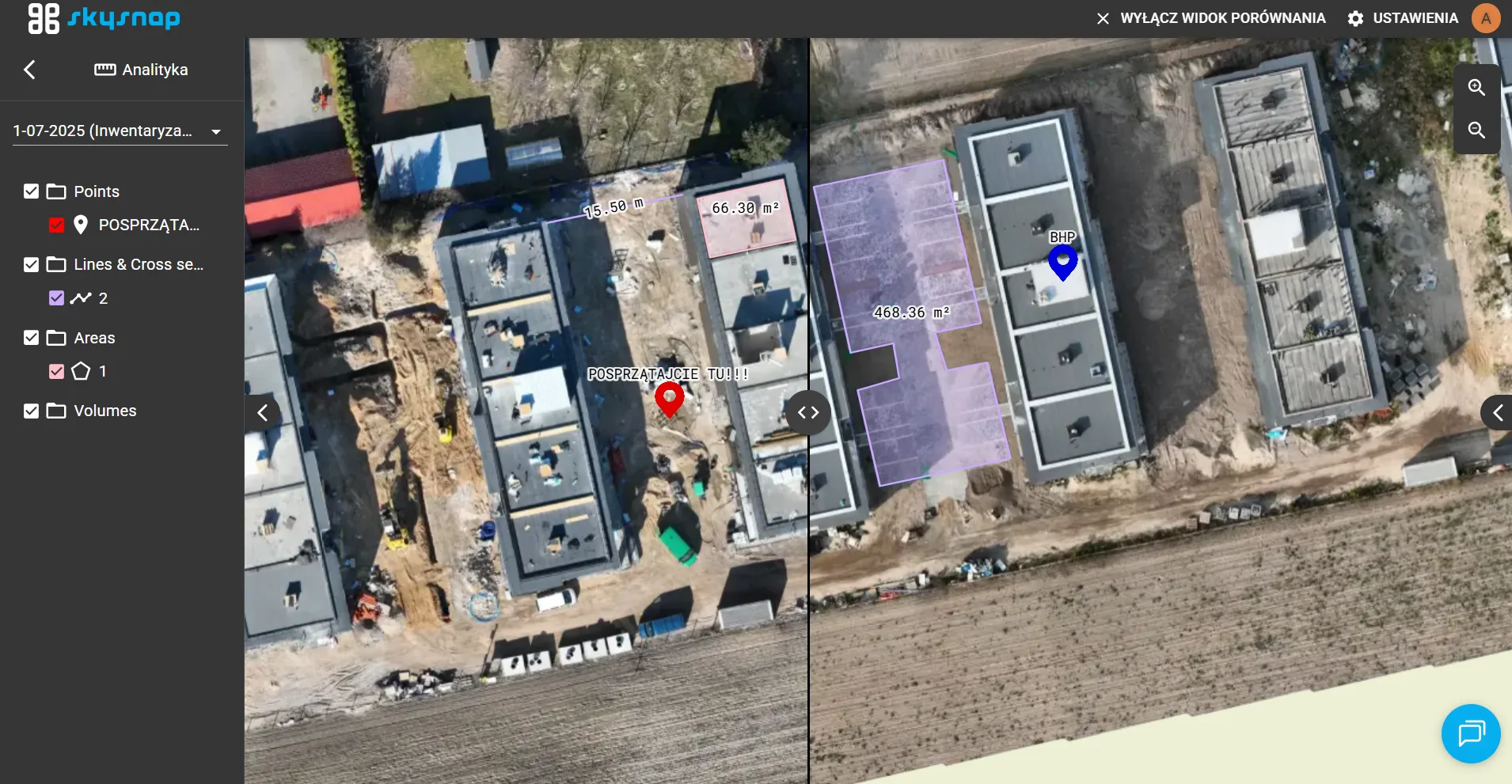
Another important application of photogrammetry is monitoring construction progress. With regular measurements, engineers can analyze in real time whether work is progressing as planned.
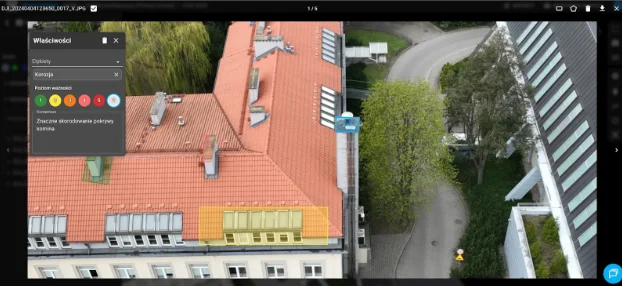
Photogrammetry makes it possible to quickly detect irregularities and take appropriate corrective action. This makes it possible to maintain the project schedule and budget.
In practice, monitoring progress with photogrammetry allows for better management of resources and minimization of risks associated with possible execution errors. It is an invaluable tool for construction project managers.
Benefits for today’s construction companies
Photogrammetry brings numerous benefits to today’s construction companies, from increased productivity to reduced costs. In this section, we will discuss what specific benefits this technology brings to construction projects.
Increase productivity
The use of photogrammetry in construction allows for significant improvements in work efficiency. By automating the measurement and data analysis processes, engineers can focus on key aspects of the project.
With faster data collection, the time required to prepare plans and visualizations is significantly reduced. Photogrammetry also enables better coordination of the teams involved in a project.
Increased work efficiency translates into faster completion of projects, which has a direct impact on customer satisfaction and company profitability.
Reducing costs and risks
Photogrammetry contributes to a significant reduction in costs associated with construction projects. With precise measurements, the risk of construction errors is minimized.
In addition, the automation of processes reduces the number of workers needed to take measurements, which translates into financial savings. Photogrammetry also makes it possible to estimate the cost of materials and resources more accurately.
Reducing the risk of unforeseen problems contributes to more efficient project management, which is crucial to the success of any construction company.
The future of photogrammetry in construction
Photogrammetry has a bright future in the construction industry. In this section, we look at new technologies and innovations and their potential impact on the future of construction.
New technologies and innovations
As technology advances, photogrammetry is becoming more advanced. Integration with other technologies, such as augmented reality (AR) and virtual reality (VR), is opening up new possibilities for design and visualization.
Modern software enables more sophisticated data analysis, allowing even more accurate models and predictions. The introduction of artificial intelligence into image analysis contributes to further automation of processes.
The future of photogrammetry in construction also includes the development of new materials and construction methods that will interact with the possibilities offered by this technology.
Impact on the future of the industry
Photogrammetry has the potential to revolutionize the way we build and design spaces. The introduction of advanced technology into everyday construction practice is helping to improve the efficiency and quality of projects.
Construction companies that choose to invest in photogrammetry can expect a competitive advantage in the form of better financial results and greater customer satisfaction.
In the future, photogrammetry may become standard in construction processes, benefiting both investors and the environment.
Challenges and limitations
Despite its many benefits, photogrammetry also faces some challenges and limitations. In this section, we will discuss technical and regulatory issues that may affect its application in construction.
Technical problems and solutions
One of the main challenges of photogrammetry is the high precision required for correct measurements. Errors in the data can lead to serious design problems.
It is essential that engineers are properly trained and have access to modern hardware and software. Regular technology updates and investment in equipment quality are critical to success.
Another problem is the complexity of integrating photogrammetry with other systems, which requires advanced technical knowledge and continuous improvement of project teams’ skills.
Legal and ethical regulations
Photogrammetry, like other technologies, must operate within a certain regulatory framework. Privacy and data protection are key aspects that must be considered when collecting and processing images.
In addition, building regulations may require special permits for the use of drones and other photogrammetric tools. Companies need to be aware of current regulations and adjust their operations to comply with legal requirements.
It is also important to consider ethical aspects, such as the impact of technology on employment and changes in the labor market structure in the construction industry.

Darmowy E-book
Dowiedz się, jak wykorzystać drony w analizie BRD, monitoringu środowiska czy dystrybucji zasobów. Sprawdź sprawdzone modele wdrożeń i kluczowe narzędzia cyfrowe dla administracji lokalnej.
Table of Contents:
Podoba Ci się artykuł? Podziel się nim z innymi!
Podoba Ci się artykuł? Podziel się nim z innymi!
Porady, wiadomości, spostrzeżenia
Powiązane artykuły
Sprawdź nasze artykuły i poznaj najnowsze informacje z branży.