What is a UAV? A guide to unmanned aerial vehicles
Unmanned aerial vehicles, also known as UAVs (Unmanned Aerial Vehicles), are gaining popularity in many areas of our lives. The use of these modern technologies extends far beyond the military sphere to include agriculture, rescue and even the delivery of goods. Thanks to the capabilities offered by UAVs, more and more individuals and companies are choosing to use them, valuing their efficiency and versatility. In this guide, we’ll take a closer look at what UAVs are, their types and how they affect our daily lives. We invite you to discover the fascinating world of UAVs, which is changing the way we view technology in the air.
What is a UAV?
Unmanned aerial vehicles, also known as UAVs, are modern devices that are changing the way we observe and operate in the airspace. In this section, we take a look at what exactly these devices are and how they have evolved over the years.
Definition and basic concepts
UAVs, or Unmanned Aerial Vehicles, are vehicles that operate without a human on board. Controlled remotely or autonomously, UAVs can perform a variety of tasks. The basic structure of a UAV includes the body, propulsion systems and navigation systems. Each of these components plays a specific role in ensuring the machine’s functionality and stability.
The development of UAV technology has revolutionized many industries. From simple remote-controlled models, UAVs have become advanced platforms used in scientific research and rescue missions. Their versatility is worth noting.
Thanks to their design, UAVs can reach targets that were previously unattainable by traditional aircraft. Their capabilities and precision make them an invaluable tool in many fields.
History and development of technology
The history of UAVs dates back to the early 20th century. Initially, they were simple devices that, over time, evolved into complex systems.
In the 1960s and 1970s, developments in military technology led to major advances in this field.
A turning point in UAV development was the miniaturization of electronic components. This made UAVs more accessible to the civilian sector. Today, UAVs are used in a variety of applications, from infrastructure inspection to meteorological surveys.
The evolution of UAVs is inextricably linked to the development of digital technologies, including GPS systems and sensors. This has opened the door to applications that were once pure fantasy, such as autonomous delivery or advanced environmental monitoring.
The use of unmanned aerial vehicles
The variety of UAV applications makes them a key component in many industries. In this section, we will discuss how these devices are used in industry and emergency services.
Industry and economy
UAVs play a key role in the modernization of many industries.
In the agricultural sector, they help with crop monitoring and precise fertilization. They allow farmers to assess the health of their plants, identifying areas that need intervention.
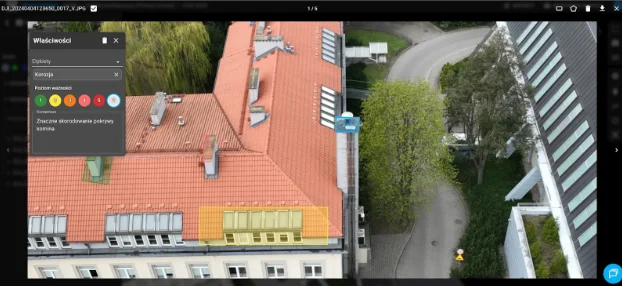
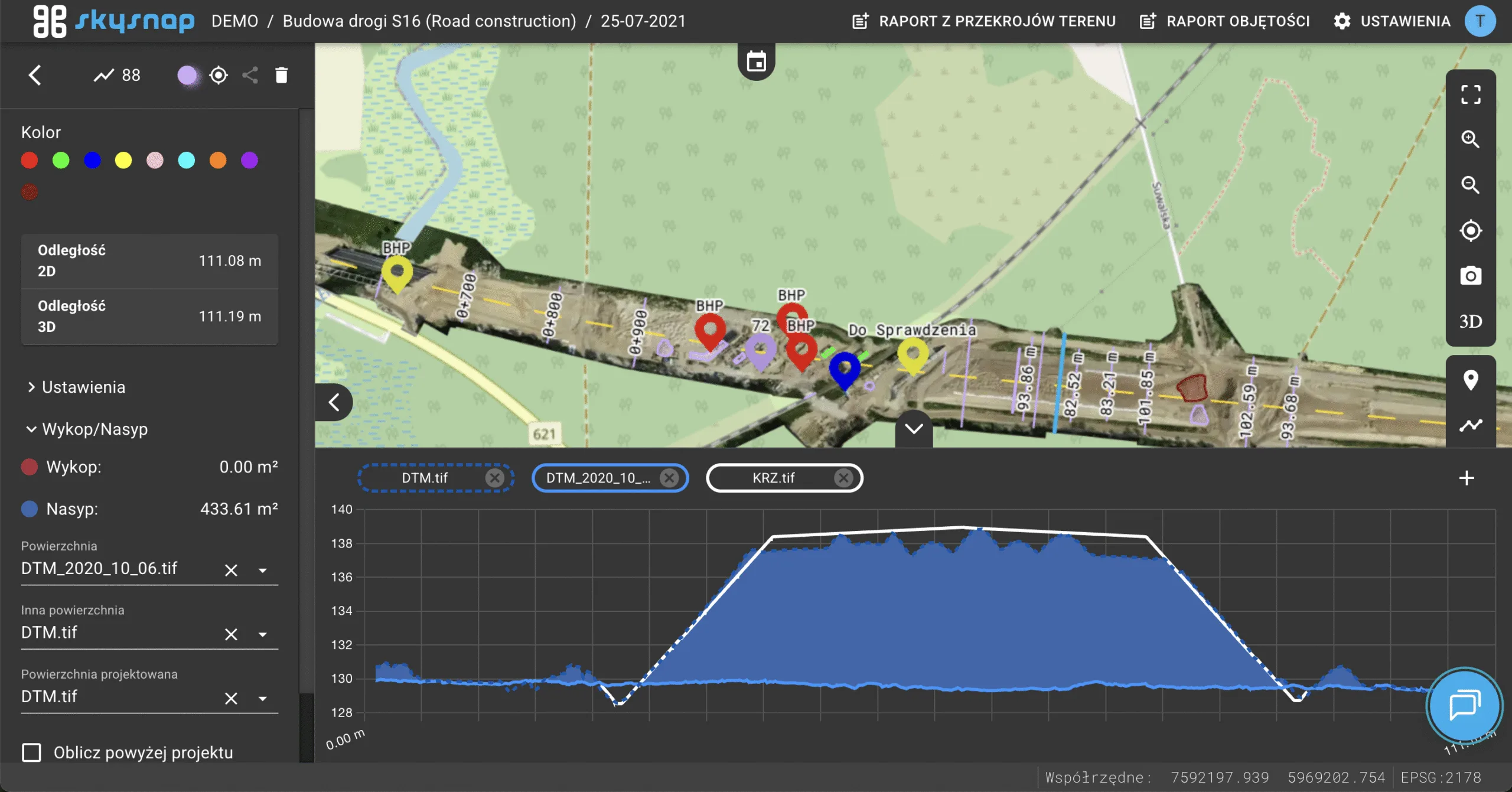
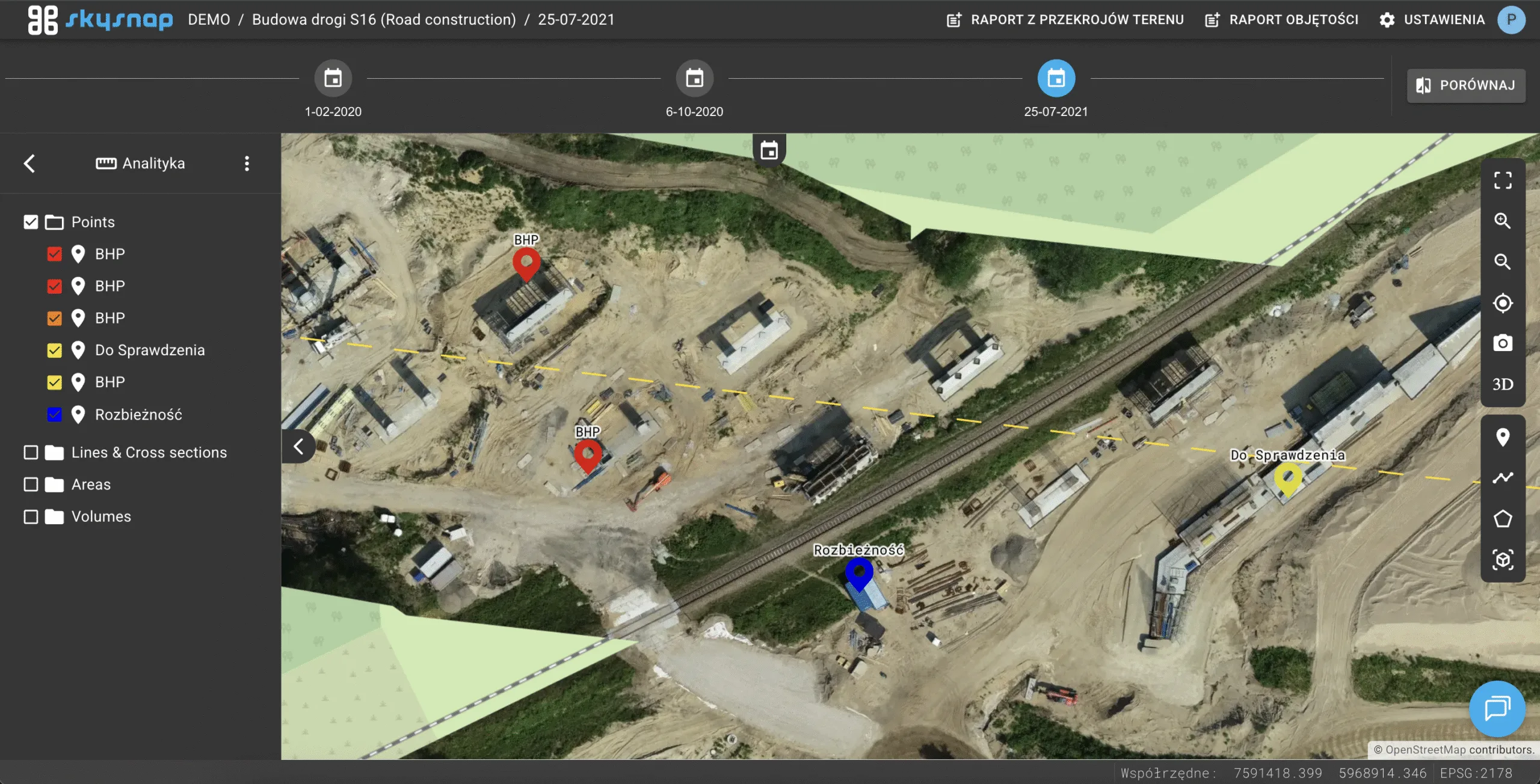
In the construction industry, UAVs are used to inspect buildings and infrastructure. They provide quick access to hard-to-reach areas, reducing inspection time and costs. UAVs also help create detailed maps of development sites.
UAVs are beginning to be used in logistics and transportation to deliver goods. Although the technology is still in the testing phase, it offers promising prospects for a future of fast and efficient deliveries.
Use in emergency services
In emergency services, UAVs are invaluable in search and rescue operations. With cameras and sensors, they can quickly locate missing persons in difficult terrain. UAVs also provide essential information about the situation at the scene of emergency events.
An example of the use of UAVs in emergency services is the action after the earthquake, where UAVs assisted in damage assessment and rescue planning. They enabled rescuers to reach the injured faster.
UAVs are also used in monitoring forest fires. They allow assessment of fire spread, which is crucial for effective firefighting and protection of the population.
How do UAVs work?
Understanding how UAVs work requires looking at their key components and systems. In this section, we’ll discuss the main building blocks and how UAVs are controlled and navigated.
Main components and functions
Every UAV consists of several basic components. The body is the support structure that holds all the other components. Propulsion systems, including engines and propellers, allow it to maneuver and stay in the air.
Another key element is communication systems. These enable the UAV to receive commands from the ground and transmit data back. These systems use various technologies, including radio and satellite communications.
Power systems, usually in the form of batteries, provide the energy needed for operation. The length of a UAV’s flight depends on the efficiency of these systems, which is a key consideration in mission planning.
Control and navigation systems
The UAV is controlled by advanced navigation systems. These systems can be manual, semi-automatic or fully autonomous. They use sensors such as GPS, gyroscopes and accelerometers to track position.
Autonomous navigation is gaining popularity thanks to the development of artificial intelligence. UAVs can autonomously avoid obstacles and make decisions in real time, increasing mission efficiency and safety.
Thanks to modern systems, UAVs can perform complex maneuvers and missions that would be difficult or impossible for a human. This makes them an invaluable tool in many industries.
Regulation and safety
Safety and regulation are key aspects of UAV operations. In this section, we will take a look at regulations and safety and ethics issues.
UAV legislation
UAV laws vary from country to country, but many jurisdictions enact similar rules. In Poland, operators must obtain permission to use UAVs in the airspace, as well as follow certain safety rules.
A key requirement is to register UAVs of a certain weight and comply with restricted flight zones. Operators must also undergo training and obtain certifications to prove their competence.
These regulations are designed to ensure safety in the airspace and protect the privacy of citizens. Understanding and complying with these regulations is essential for all UAV users.
Safety and ethical aspects
The safety of UAV operations involves both technical and ethical issues. Users must ensure that their equipment is regularly serviced and in good working order. Improper maintenance can lead to dangerous incidents.
Ethical considerations relate to privacy and data protection. Camera-equipped UAVs can invade the privacy of third parties, requiring special attention and compliance with data protection laws.
These issues are often debated and can lead to tighter regulations, so it’s important to stay abreast of current regulations and standards.
The future of UAV technology
UAV technology continues to evolve, opening up new opportunities and challenges. In this section, we take a look at innovative applications and the challenges of further developing this technology.
Innovative applications
The future of UAVs is full of possibilities.
In the medical sector, UAVs can deliver medicines and samples to hard-to-reach areas, which is particularly useful in emergency situations.
The vision of using UAVs for personal transportation is becoming increasingly real, with tests of flying cabs being conducted around the world.
Drones can also contribute to environmental protection. Wildlife monitoring, pollution surveys or air quality control are just some of the potential applications. All of this shows the wide range of possibilities that UAV technology offers.
As technology continues to evolve, new, previously unknown applications will emerge that could revolutionize many aspects of our lives.
Challenges and opportunities for growth
The development of UAV technology poses many challenges. Airspace security, privacy protection and developing sustainable technologies are just some of them. Also, integrating UAVs with existing communications and legal infrastructure requires further work.
However, the potential benefits are enormous. The development of artificial intelligence and autonomous technologies can greatly enhance the capabilities of UAVs, making them more efficient and versatile. Cooperation between the public and private sectors is key to realizing the full potential of this technology.
The future of UAVs is full of promise, and their development could affect various aspects of our lives, from everyday activities to global challenges.

Darmowy E-book
Dowiedz się, jak krok po kroku przygotować misję, uniknąć błędów przy nalotach i tworzyć dokładne ortofotomapy oraz modele 3D. Idealny przewodnik przed pierwszymi zleceniami komercyjnymi.
Table of Contents:
Podoba Ci się artykuł? Podziel się nim z innymi!
Podoba Ci się artykuł? Podziel się nim z innymi!
Porady, wiadomości, spostrzeżenia
Powiązane artykuły
Sprawdź nasze artykuły i poznaj najnowsze informacje z branży.