Why is post-construction monitoring crucial to security?
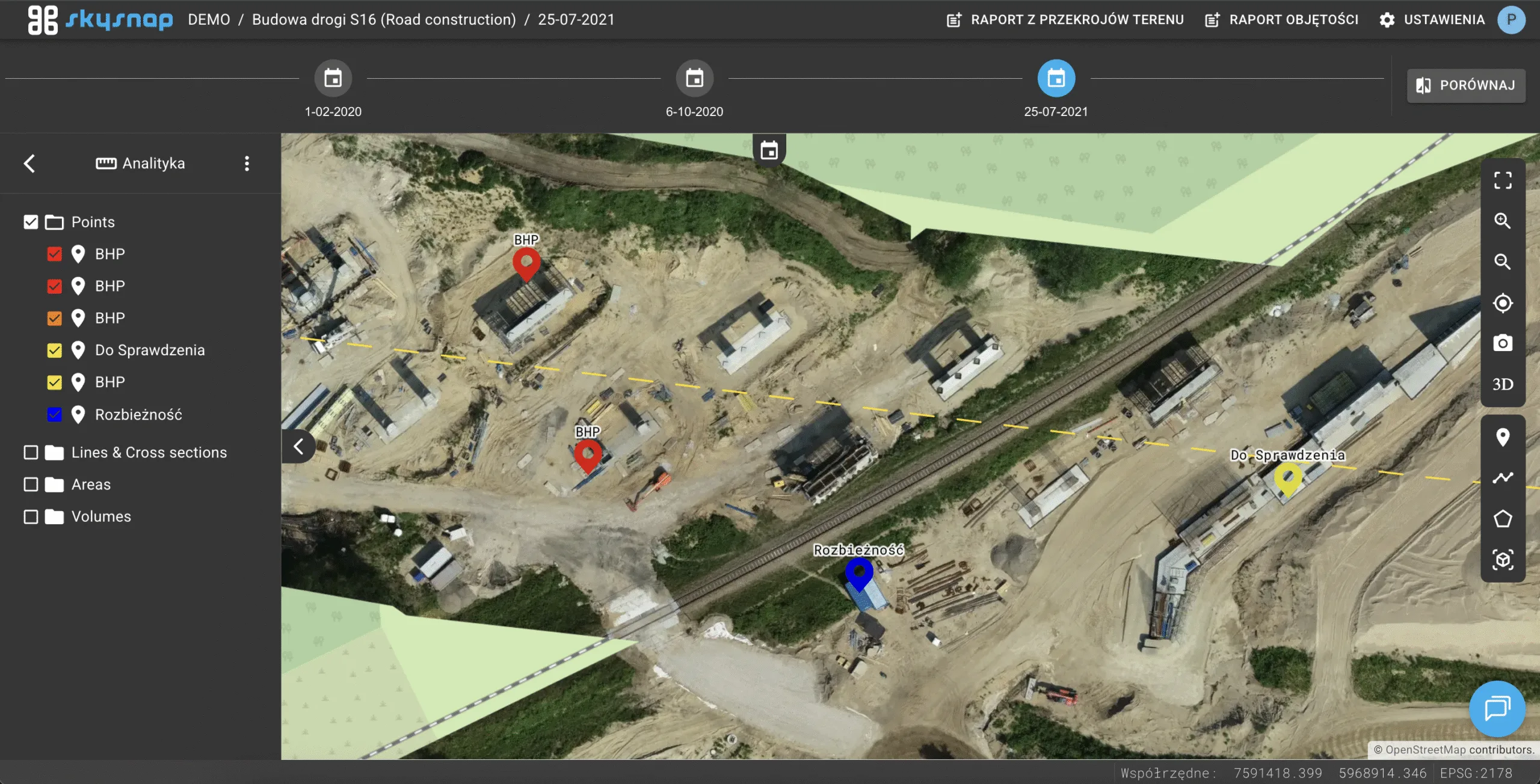
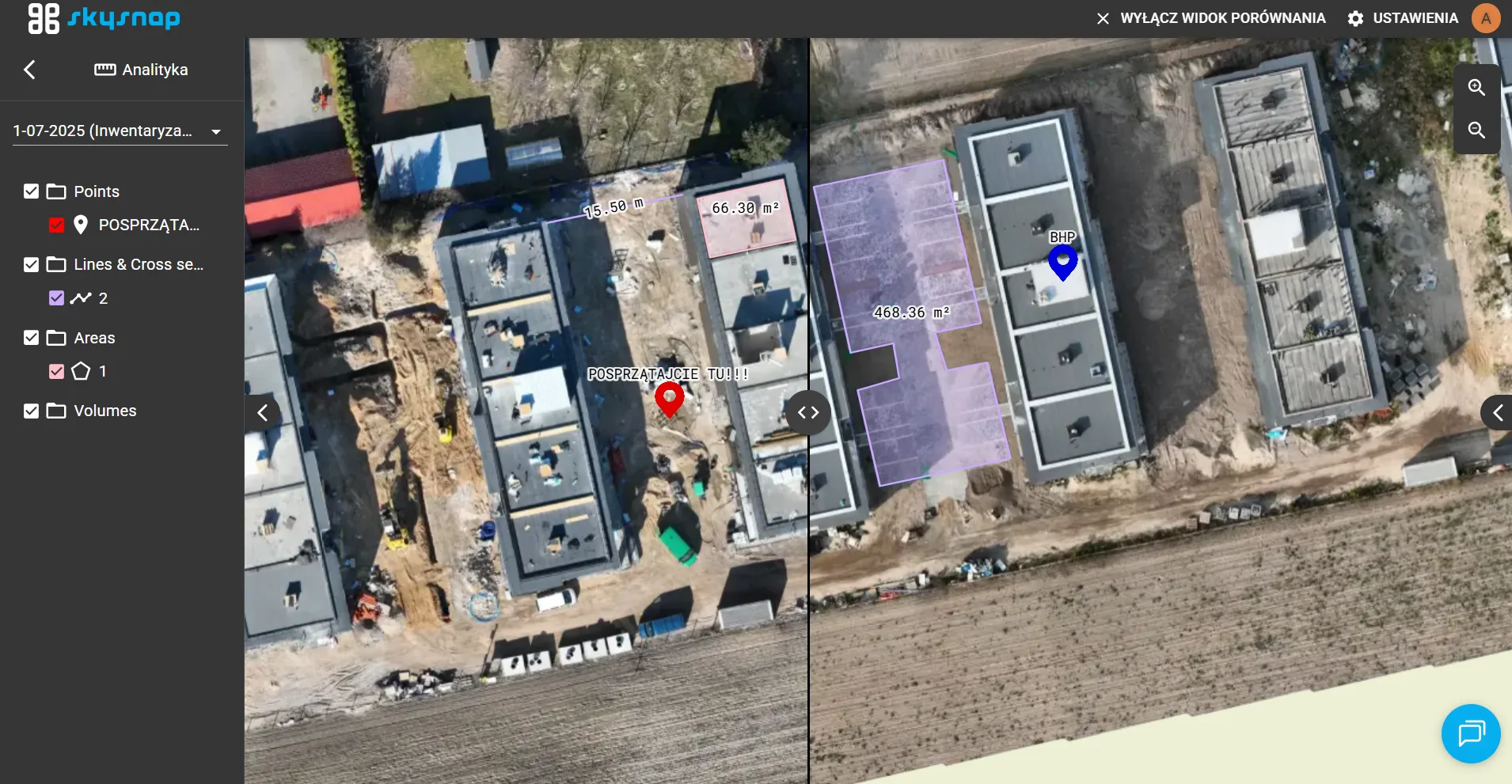
After construction is complete, when the dust settles and the construction crew leaves the site, for many property owners, a sense of calm accompanies the sense of accomplishment. However, in order to ensure the long-term safety and security of a newly built property, it is essential to implement an effective monitoring system. Not only does it help prevent theft and vandalism, but it also enables a quick response to any unforeseen incidents and emergencies. In this article, we will discuss why post-construction monitoring is not only recommended, but actually crucial to maintaining the safety and peace of mind of all users of the facility.
The role of monitoring in construction
Today, monitoring in the construction industry plays a key role in ensuring the safety and sustainability of facilities. Thanks to modern technologies and tools, it is possible to effectively manage and protect investments from the moment construction is completed. In this section, we will discuss the importance of post-construction security and the long-term benefits of monitoring.
The importance of safety after construction
Post-construction safety is extremely important. The facility must be protected from theft and vandalism. Video surveillance systems can effectively deter potential intruders.
The monitoring infrastructure allows for constant surveillance of the property. Responding to threats in real time minimizes the risk of damage. As a result, owners can rest easy.
Monitoring also makes it possible to quickly identify technical problems. Unexpected failures can be detected and repaired immediately, reducing the risk of costly repairs in the future.
Long-term benefits of monitoring
The long-term benefits of monitoring can be significant. First and foremost , they allow you to increase the value of your property by improving security.
Surveillance systems are also cost-effective. By automating surveillance processes, owners can reduce costs associated with physical security.
The use of modern technology also brings environmental benefits. Energy-efficient cameras and management systems help reduce energy consumption.
Elements of effective monitoring
Effective monitoring is not just about installing cameras. It requires the right technologies and tools, and skillful handling of challenges. We will discuss the key elements that determine the effectiveness of monitoring.
Key technologies and tools
The technologies used in surveillance are diverse. IP cameras are currently popular , offering high image quality and remote access.
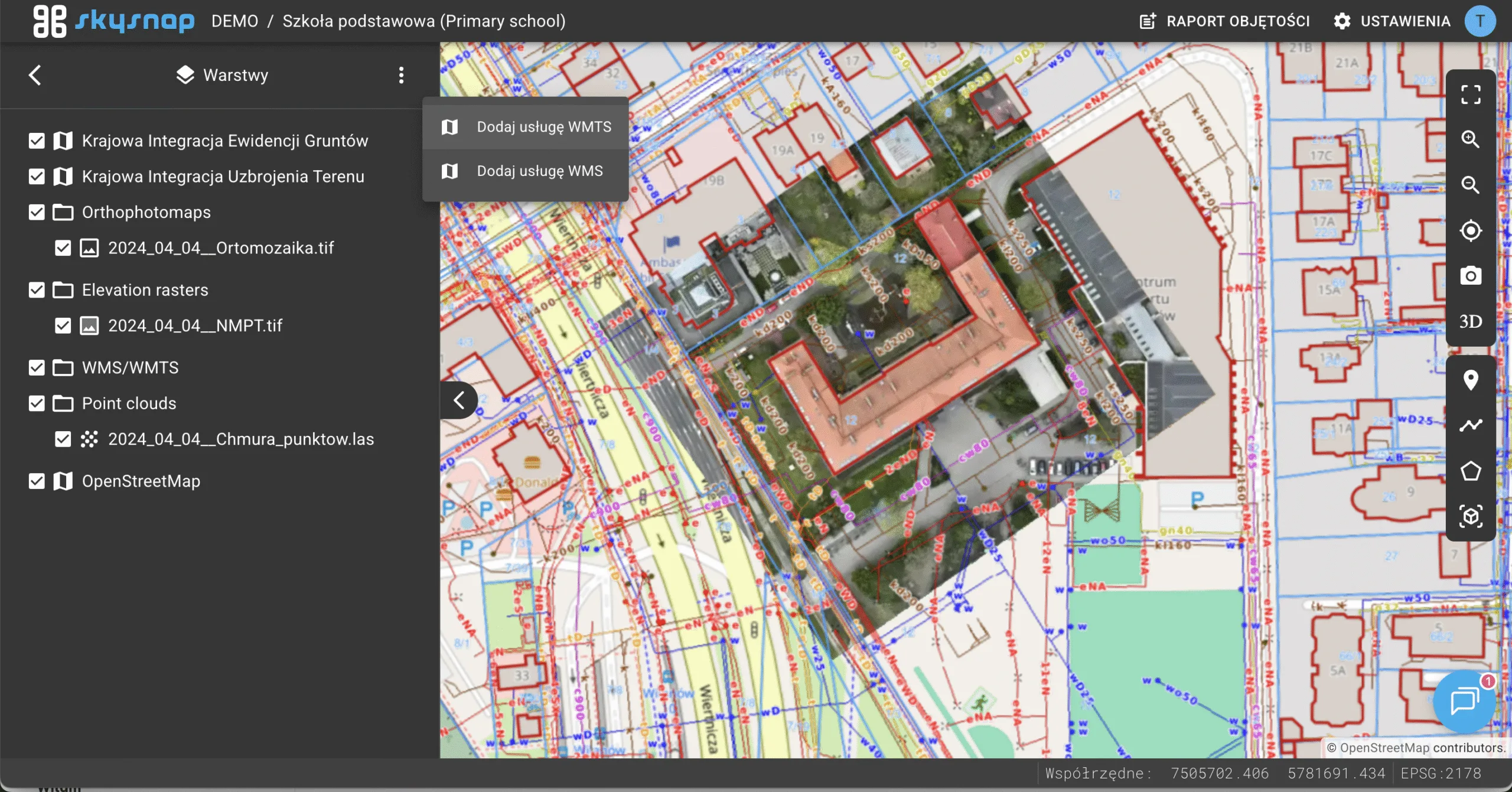
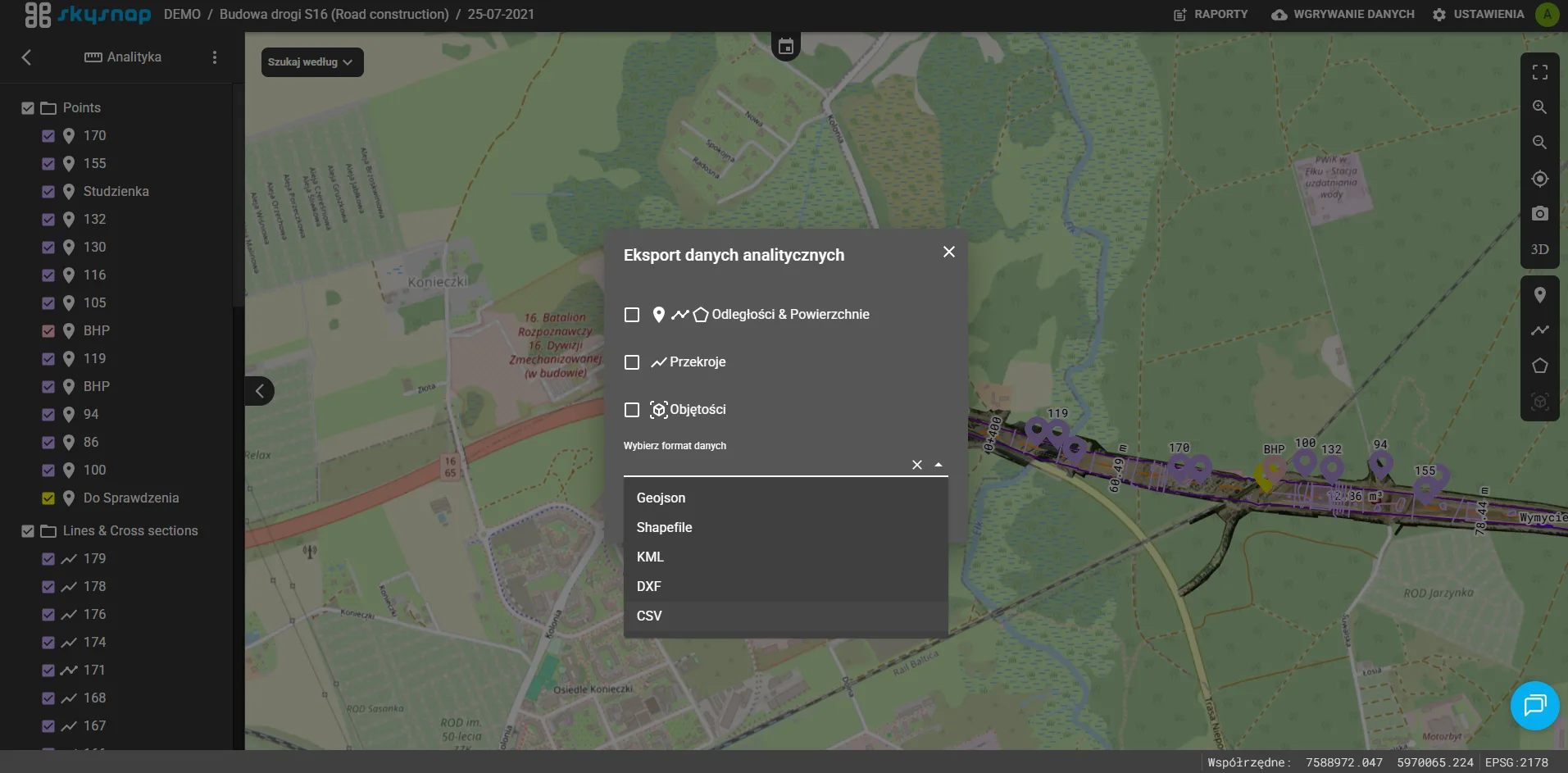
Modern tools make it possible to integrate different systems into one coherent platform. This allows all data to be centrally managed and analyzed.
Intelligent image analysis systems can automatically identify threats. To do this, they use artificial intelligence algorithms that learn to detect suspicious situations.
Frequent challenges and their solutions
Monitoring in construction brings challenges. One of the most common is the issue of privacy. It is important to ensure that monitoring does not infringe on the rights of those around you.
Technical problems, such as signal interference, can be difficult to resolve. Regular hardware maintenance and software updates help minimize them.
Proper staff training is key. Trained employees can better operate systems and respond to unexpected situations.
Monitoring use cases
Monitoring in construction is used in a variety of situations. In this section, we will look at examples of successes and analysis of mistakes that can be lessons for future investments.
Successes of completed projects
Many construction projects have been successful because of effective monitoring. For example, one residential project introduced advanced systems that significantly reduced the number of security incidents.
- Reduction of theft: Use of motion detection cameras.
- Improved response: Faster interventions through remote access to monitoring.
- Satisfaction among residents: Increased sense of security among tenants.
Error and lesson analysis
Not all projects were trouble-free. Error analysis is invaluable to avoid similar ones in the future. For example, one project lacked the right number of cameras, which limited the field of view.
- Insufficient number of devices: Need for additional installations.
- Coverage problems: Improving network infrastructure.
- Imperfect image analysis: software updates for better threat recognition.
The future of monitoring in construction
The future of monitoring in the construction industry is promising thanks to technological advances and changing trends. In this section, we take a look at innovations and anticipated changes.
Technological innovations
Technological innovations are driving the development of modern monitoring systems. Thermal imaging cameras are becoming more accessible and allow monitoring in difficult lighting conditions.
Cloud systems offer new possibilities for data storage. They make it easier to access and analyze recordings from anywhere in the world.
Artificial intelligence-based solutions are also being developed for even more precise image analysis and threat prediction.
Anticipated trends and developments
Predicted trends in monitoring point to further development of integrated systems. Increasing emphasis is being placed on automation and intelligent management.
- Cybersecurity is growing in importance: Protecting data from attacks.
- IoT integration: linking monitoring to other building systems.
- Continuous technological improvements: transformations in data analysis and information management.

Darmowy E-book
Dowiedz się, jakie usługi oferować, komu je sprzedawać i jak napisać skutecznego maila z ofertą. Gotowe szablony, porady i przykłady kampanii, które naprawdę działają.
Table of Contents:
Podoba Ci się artykuł? Podziel się nim z innymi!
Podoba Ci się artykuł? Podziel się nim z innymi!
Porady, wiadomości, spostrzeżenia
Powiązane artykuły
Sprawdź nasze artykuły i poznaj najnowsze informacje z branży.