How drones are changing the future of construction: Modern technology on the construction site
In today’s fast-paced world of technology, drones are becoming an integral part of many industries, including construction. Their ability to make quick and precise flyovers is changing the way we plan and execute construction projects. Thanks to drones, we can get detailed data from the construction site in real time, allowing us to better manage the construction process. In this article, we take a look at how these modern devices are affecting efficiency, safety and costs in the construction industry, and what innovations they may bring in the future.
The drone revolution in construction
The introduction of drones into the construction sector has opened up new opportunities that previously seemed unattainable. These agile machines are able to provide real-time data, significantly improving inspection and management processes on construction sites.
New inspection capabilities
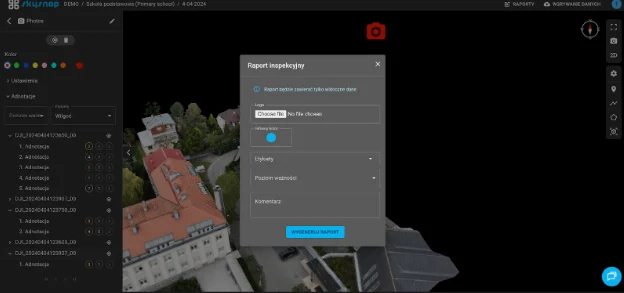
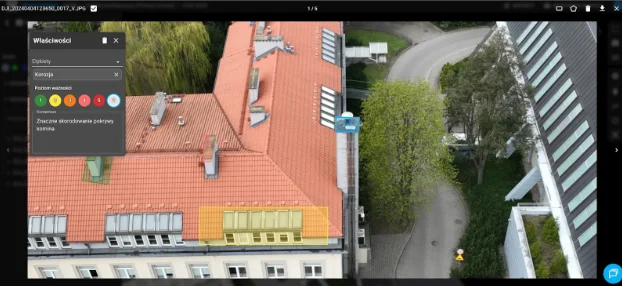
Drones make it possible to perform inspections that once would have required heavy equipment or risky work at heights. With high-resolution cameras, they can easily identify potential structural problems.
Drones offer quick access to hard-to-reach areas, which translates into increased worker safety. In addition, data from drones can be analyzed using specialized software, allowing for precise assessments of structural health.
Regular drone inspections can also lead to longer building lifespans through early detection of damage.
Increase work efficiency
The use of drones speeds up construction processes. Unlike traditional methods, drones can quickly fly around an entire construction site in a matter of minutes.
When collecting data from a construction site, drones provide more accurate information, which minimizes errors associated with manual measurements. This speeds up decision-making and allows for better resource planning.
The use of drones also makes it possible to observe work in real time, which is invaluable when coordinating activities. As a result, the total time for projects is reduced.
Reduction of operating costs
Drones allow significant reductions in construction operating costs. With their ability to collect data quickly and accurately, they eliminate the need for multiple inspection teams.
They contribute to lower costs associated with renting heavy equipment that would otherwise be needed for inspections. In addition, there is less downtime on the job, saving time and money.
Drone technologies on the construction site
Drone technologies are gaining popularity on construction sites, offering innovative mapping, monitoring and security solutions.
Site mapping and modeling
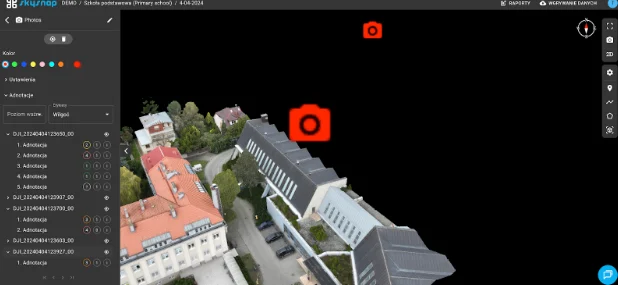
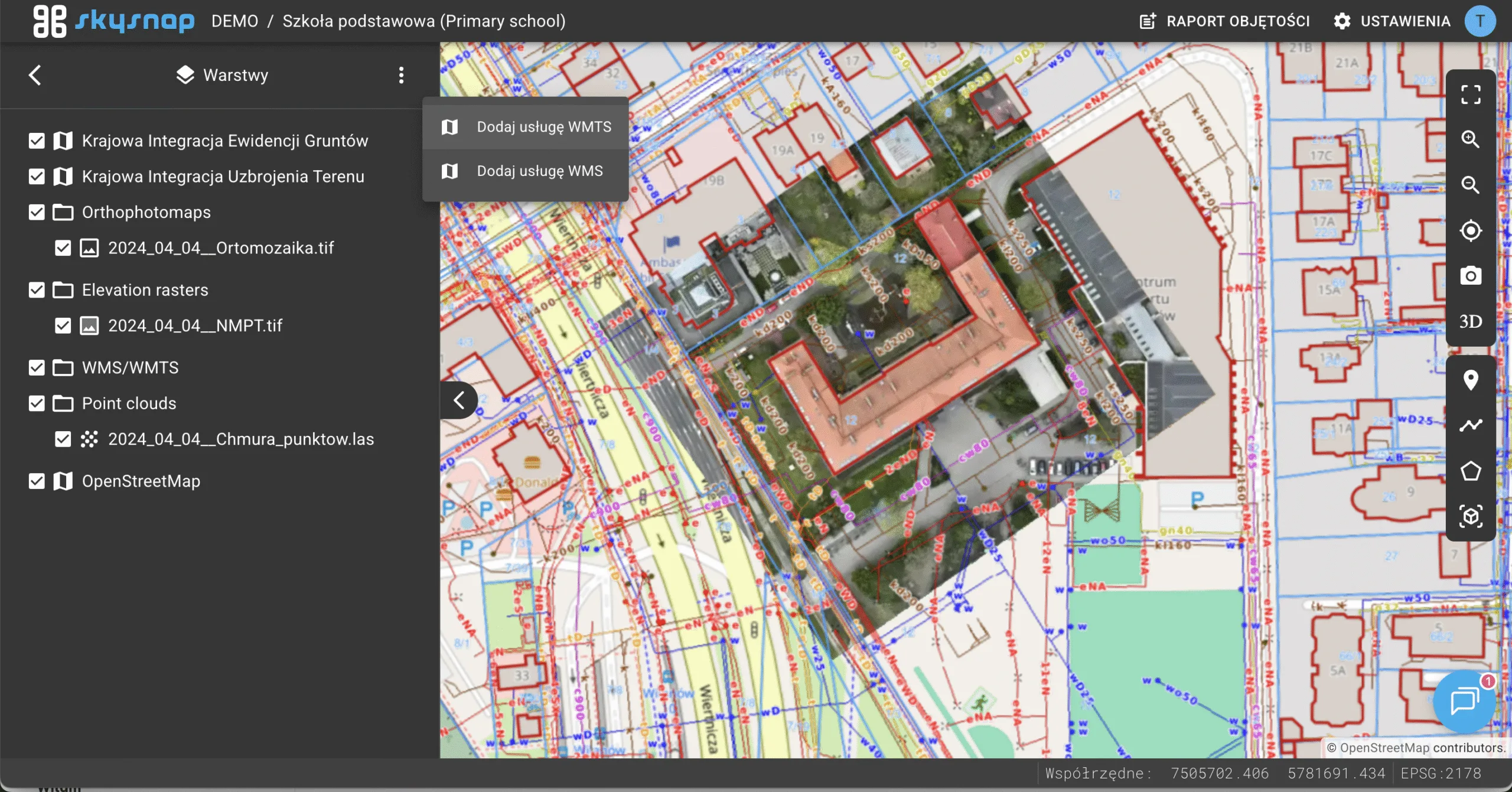
Drones are used to create detailed terrain maps. Using advanced sensors such as LIDAR, drones can generate three-dimensional terrain models in a short period of time.
Site mapping allows engineers to better understand site conditions. This provides an opportunity to optimize planning and coordination of earthworks.
High-quality data collected by drones is also key to understanding potential threats, which has a positive impact on employee safety.
Monitoring construction progress
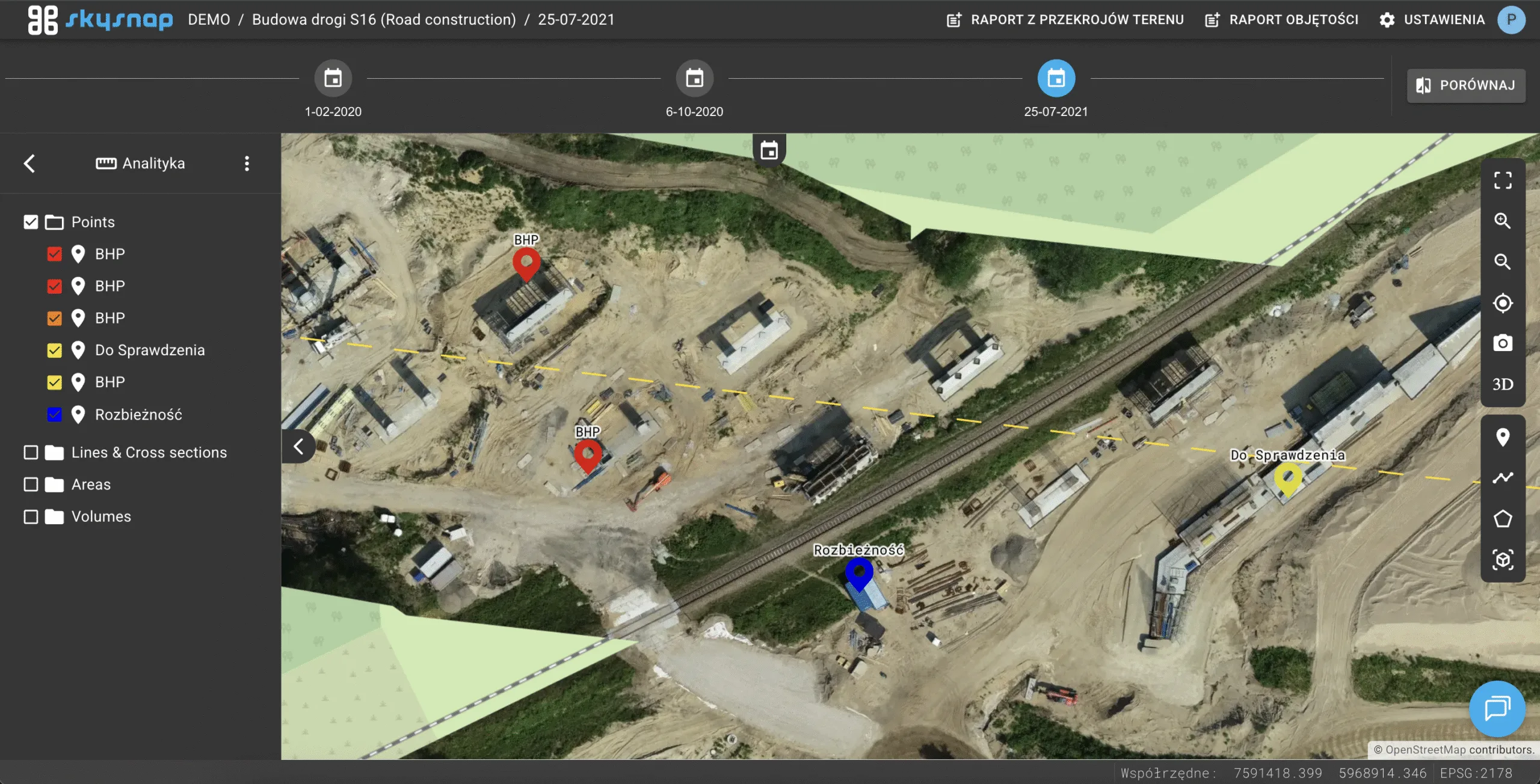
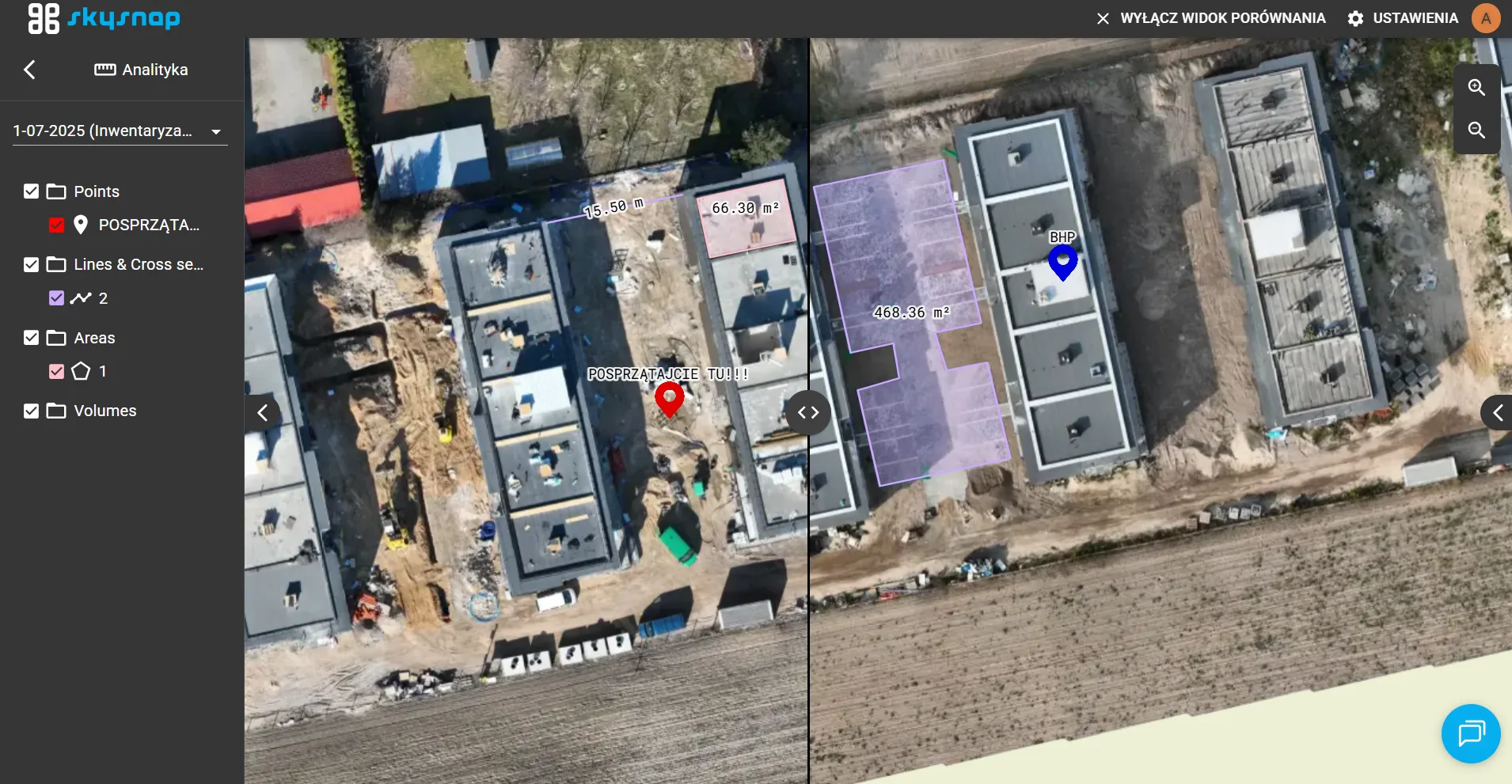
Drones are indispensable for monitoring construction progress. Regular flyovers make it possible to document changes occurring on the construction site, which is invaluable to project management.
With drone photos and videos, project managers can keep track of the schedule in real time, identifying potential delays. Accurate progress reports allow for better planning and coordination of teams.
When project plans need to be adjusted, drone data enables rapid decision-making.
Employee safety
Worker safety is a priority at any construction site. Drones, by eliminating the need to work at heights and in dangerous places, significantly increase safety.
Aerial observation of a construction site makes it possible to quickly identify potential hazards so that they can be removed quickly. This reduces the risk of accidents and improves the overall safety culture on the site.
Drones can also be used to train workers, showing virtual simulations of work in safe conditions.
Benefits for construction companies
Drones bring many benefits to construction companies, from faster data collection to better communication with clients.
Speed and accuracy of data
Drones allow for the rapid collection of accurate data, which is crucial for the effective management of construction projects. Using advanced sensors and cameras, drones provide precise information in real time.
By analyzing data quickly, companies can make more informed decisions, resulting in better planning and execution of projects. The ability to respond immediately to changes on site is invaluable.
Reducing the risk of errors
Reducing the risk of errors is one of the main advantages of using drones in construction. With precise data, the number of mistakes in measurements and inspections is minimized.
Drones allow regular monitoring of the construction site, which enables quick response to potential problems. This reduces the risk of costly mistakes that could affect the project.
Better communication with the customer
Drones facilitate communication with clients by providing up-to-date information on construction progress. Regular reports on drone flyovers can be shared with clients, increasing their confidence in the construction company.
Transparent communication also speeds up the process of approval of subsequent stages of the project, which has a positive impact on the overall cooperation with the client. Thanks to drones, clients can visualize the progress of the work, which is especially important for large investments.
Challenges and the future of drones
The use of drones in the construction industry brings both benefits and challenges related to regulation and technology integration.
Regulations and security
Drones, as a new technology, are subject to numerous regulations. Regulations on their use vary from country to country, which can pose challenges for construction companies.
Safety is a key aspect that must be considered when using drones. Regular training and certification of operators is essential to ensure compliance.
Integration with other technologies
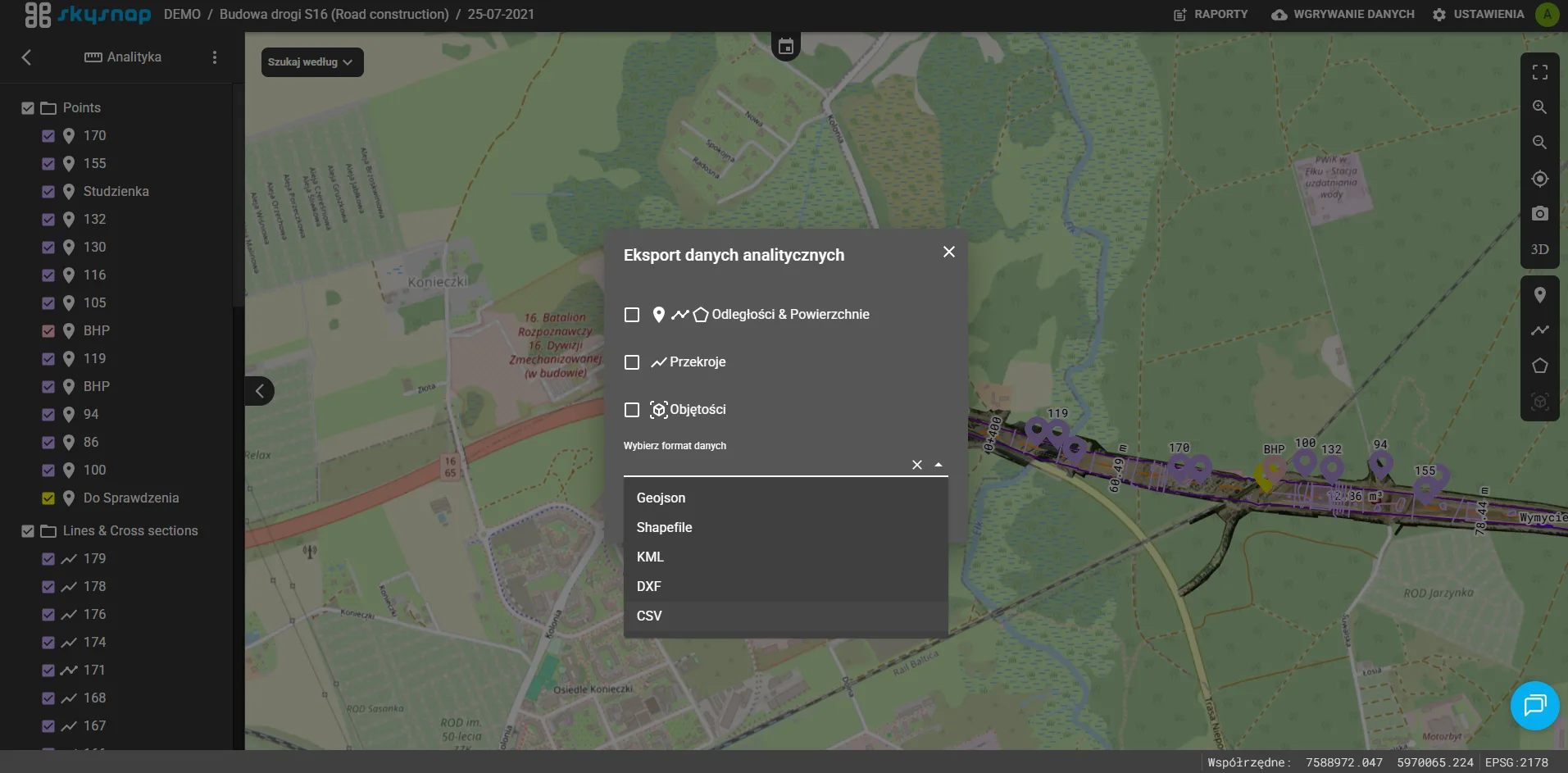
The integration of drones with other technologies, such as BIM (Building Information Modeling), is the next step in the evolution of construction. Combining drone data with computer models allows for even more precise planning.
The collaboration of technologies can lead to more automated construction processes, which is a key aspect of future projects.
Anticipated trends and innovations
The future of drones in the construction industry looks promising. Drones are expected to be equipped with increasingly sophisticated sensors and software, which will increase their functionality.
The development of artificial intelligence will allow drones to make decisions and identify problems on their own, speeding up projects.
The increase in the use of drones in construction is a trend that will continue with new innovations and solutions.
Use cases in construction
Drones are used in various construction projects, both large-scale and renovation projects.
Large-scale projects
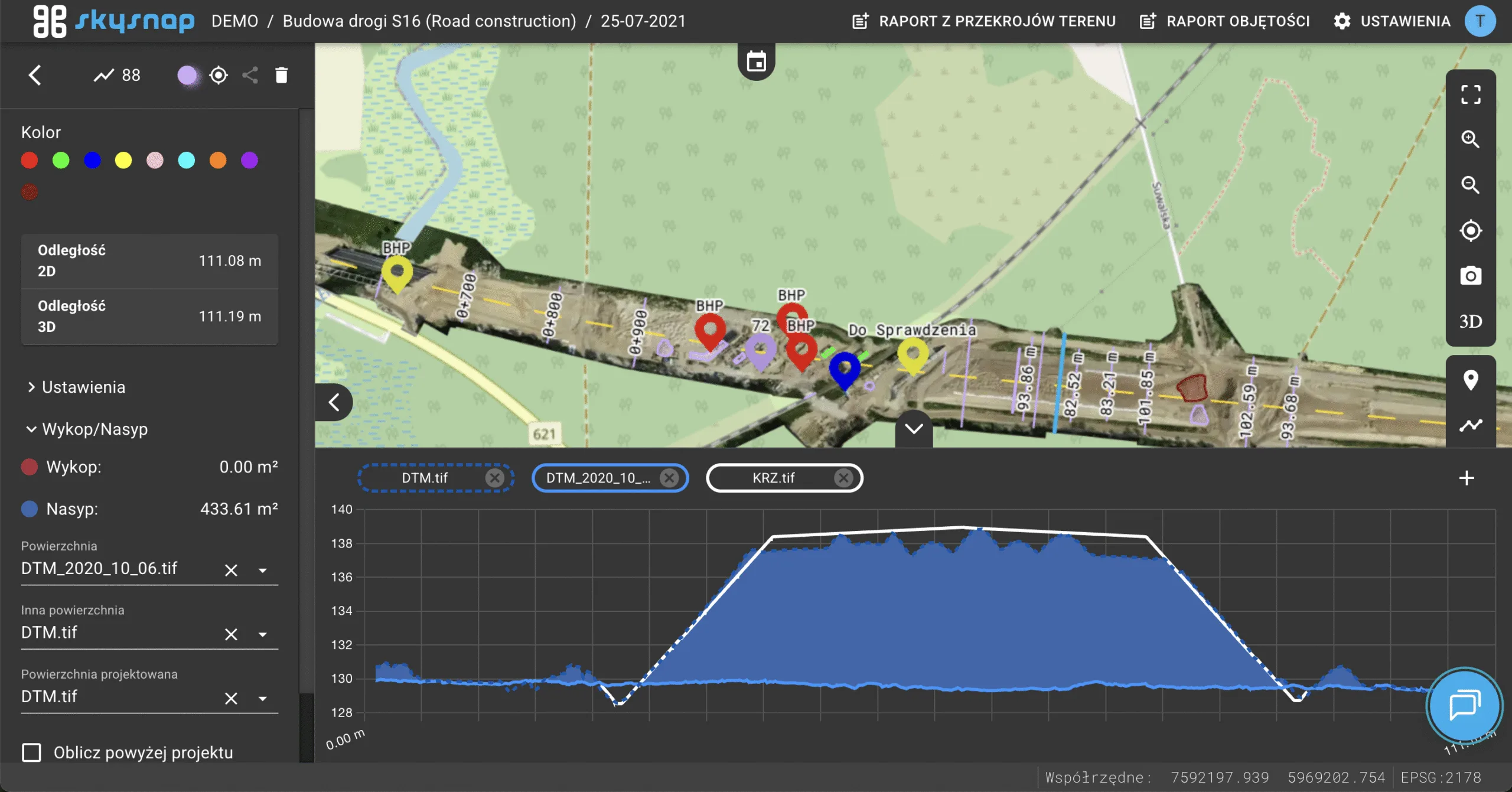
In large-scale projects such as road or bridge construction, drones offer invaluable assistance in monitoring progress. With the ability to quickly fly over large areas, drones provide complete data on the status of work.
Companies can use this information to optimize schedules and resource allocation, speeding up complex projects.
Repairs and upgrades
Drones are also useful for renovations and upgrades to existing buildings. With aerial inspection capabilities, drones help identify areas in need of repair.
During renovations, drones can document the progress of the work, which is especially important for clients and investors. Regular updates help to make informed decisions about next steps.
Infrastructure management
Drones support infrastructure management, enabling regular inspections of bridges, overpasses and other structures. With high-quality images, potential problems can be quickly identified, enhancing public safety.
This approach allows maintenance planning based on actual needs, which optimizes infrastructure management costs.

Darmowy E-book
Dowiedz się, jakie usługi oferować, komu je sprzedawać i jak napisać skutecznego maila z ofertą. Gotowe szablony, porady i przykłady kampanii, które naprawdę działają.
Table of Contents:
Podoba Ci się artykuł? Podziel się nim z innymi!
Podoba Ci się artykuł? Podziel się nim z innymi!
Informacje o autorze
Intern Operations
Porady, wiadomości, spostrzeżenia
Powiązane artykuły
Sprawdź nasze artykuły i poznaj najnowsze informacje z branży.