How drone inspections are revolutionizing the construction industry
Drone inspections are gaining popularity in the construction industry, bringing with them a number of benefits that are revolutionizing the way projects are conducted. Thanks to advanced technology, drones enable fast and accurate inspections of construction sites, eliminating the need for time-consuming and costly traditional inspection methods. Operators can now easily monitor the progress of work, identify potential problems and ensure site safety without being physically on site. In this article, we’ll discuss how drone inspections are driving efficiency, precision and savings in the construction industry, as well as the challenges and opportunities this modern technology presents. We’ll also take a look at the future of drones in construction and their potential impact on the industry’s development.
Introduction to Inspection from a Drone
Drone inspections in the construction industry are a modern method to increase efficiency and safety on construction sites. Drones provide a quick overview of the site, minimizing the risk and time required for traditional inspections.
History and development of technology
The history of drones dates back to the 1960s, when the first unmanned aerial vehicles were used primarily for military purposes. Over the years, the technology began to be adapted to civilian needs, including construction.
In the past two decades, drones have grown in popularity due to technological advances and reduced production costs.
Today, drones are equipped with advanced cameras, sensors and navigation systems, allowing them to be widely used in various industries. Construction applications have become one of the key areas where drones are making significant improvements.
The development of drone technology continues to advance, and their capabilities are becoming more advanced. This allows them to be used for more complex inspection tasks, which is the subject of much research and investment.
Basic applications in construction
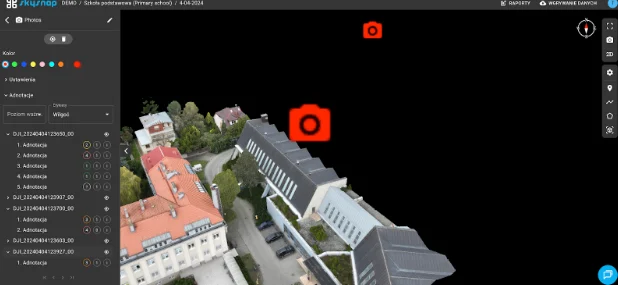
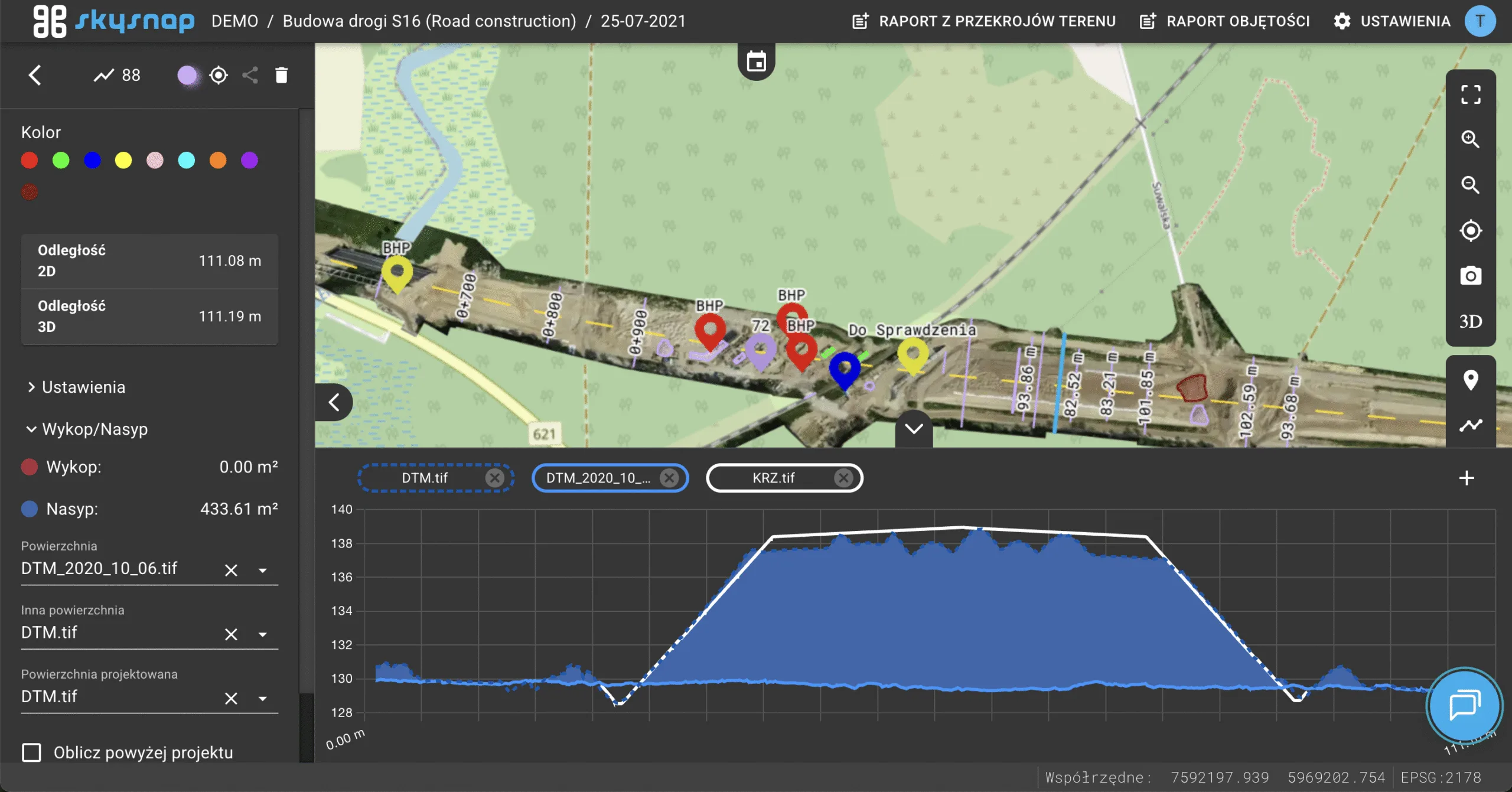
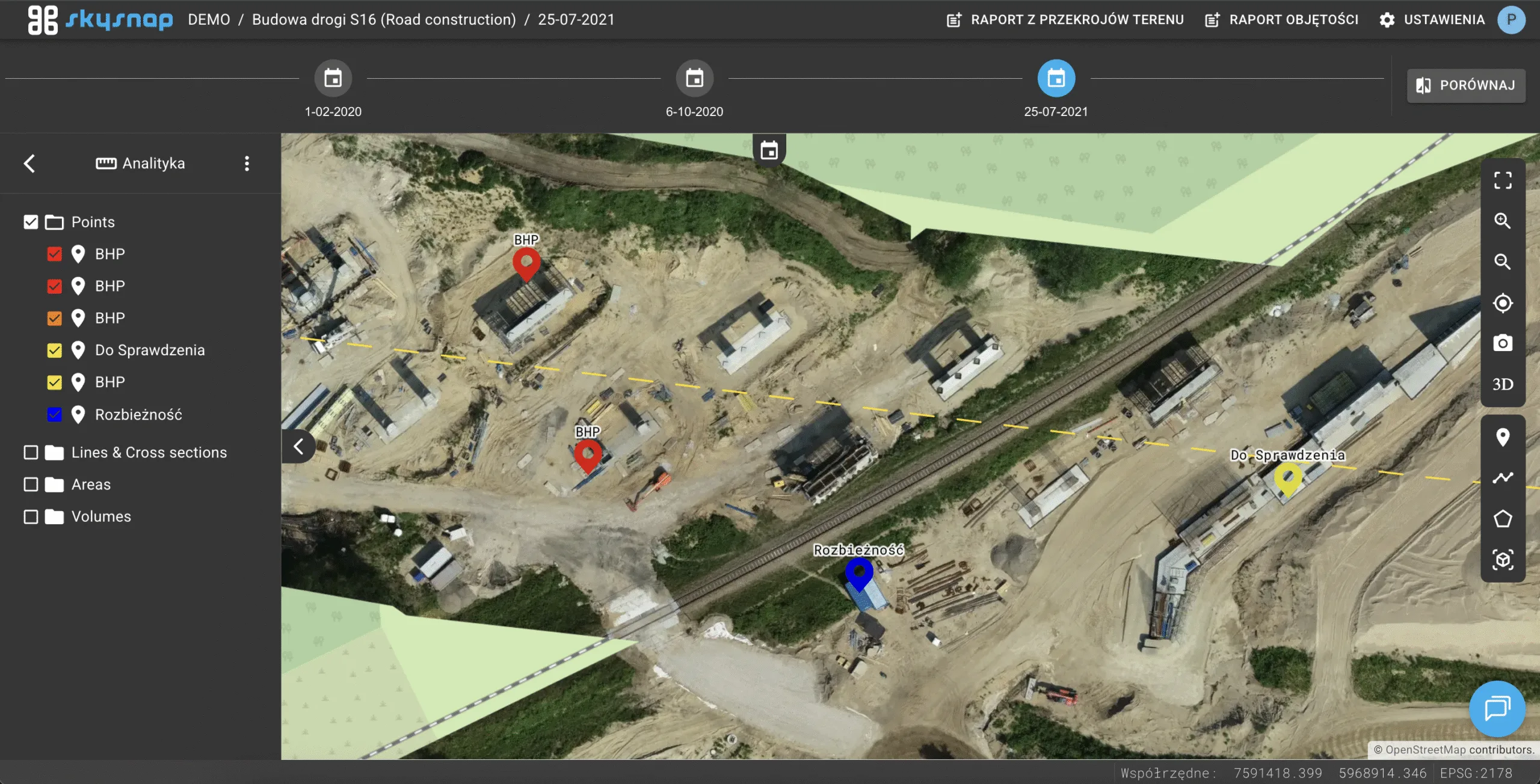
In the construction industry, drones play a key role in monitoring the progress of work and performing inspections. They can be used to scan terrain, allowing the creation of accurate 3D maps that are invaluable for planning and managing construction projects.
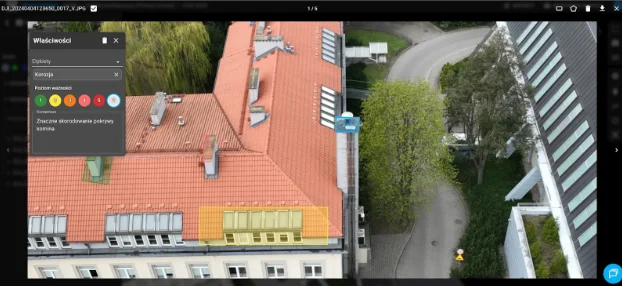
Drones allow quick and safe inspections of hard-to-reach places, such as building roofs and bridge structures. In this way, they minimize the risk to workers and allow an accurate assessment of the technical condition of structures.
The use of drones also speeds up the inspection process, which is important for the timeliness of construction projects. In addition, with modern thermal imaging cameras, drones can detect insulation problems or heat leaks.
Advantages of Drone Use
The use of drones in the construction industry brings many benefits that translate into efficiency and cost savings for projects. The technology is becoming an integral part of modern construction sites.
Speed and efficiency
Drones greatly speed up the process of inspecting and monitoring construction sites. They allow operators to gain accurate information about the condition of the site in a short period of time, allowing them to react quickly to any problems.
- Drones can perform a detailed survey of a construction site in just a few hours, which would traditionally take days or even weeks.
- With GPS technology and high-resolution cameras, the drones provide accurate data that can be analyzed immediately.
- Real-time monitoring makes it possible to manage the project in real time, which significantly increases efficiency.
The efficiency of drones is making them an increasingly popular choice as an inspection tool to optimize work and resources.
Reducing costs and risks
Drones significantly reduce inspection costs by eliminating the need for a large number of employees to perform manual tasks, which are time-consuming and costly.
- The costs associated with the use of drones are lower than traditional inspection methods, which is important for a project’s budget.
- Reducing the risks associated with working at heights translates into greater worker safety.
- With drones, potential threats can be detected quickly, allowing them to be eliminated before they become a serious problem.
Introducing drones to a construction site also means less risk for the company, making it more competitive in the market.
How Drones Are Changing the Construction Process
Drones are revolutionizing the construction process, introducing modern solutions that are not only more efficient, but also safer. They offer quick insight into the progress of work and inspection capabilities that were previously difficult to achieve.
Real-time monitoring of progress
With drones, it is possible to monitor progress on a construction site in real time. Operators can keep track of changes and adjust action plans based on current data.
Live monitoring allows for faster decision-making, which speeds up projects. Drones provide accurate images and data that can be analyzed by 3D modeling software.
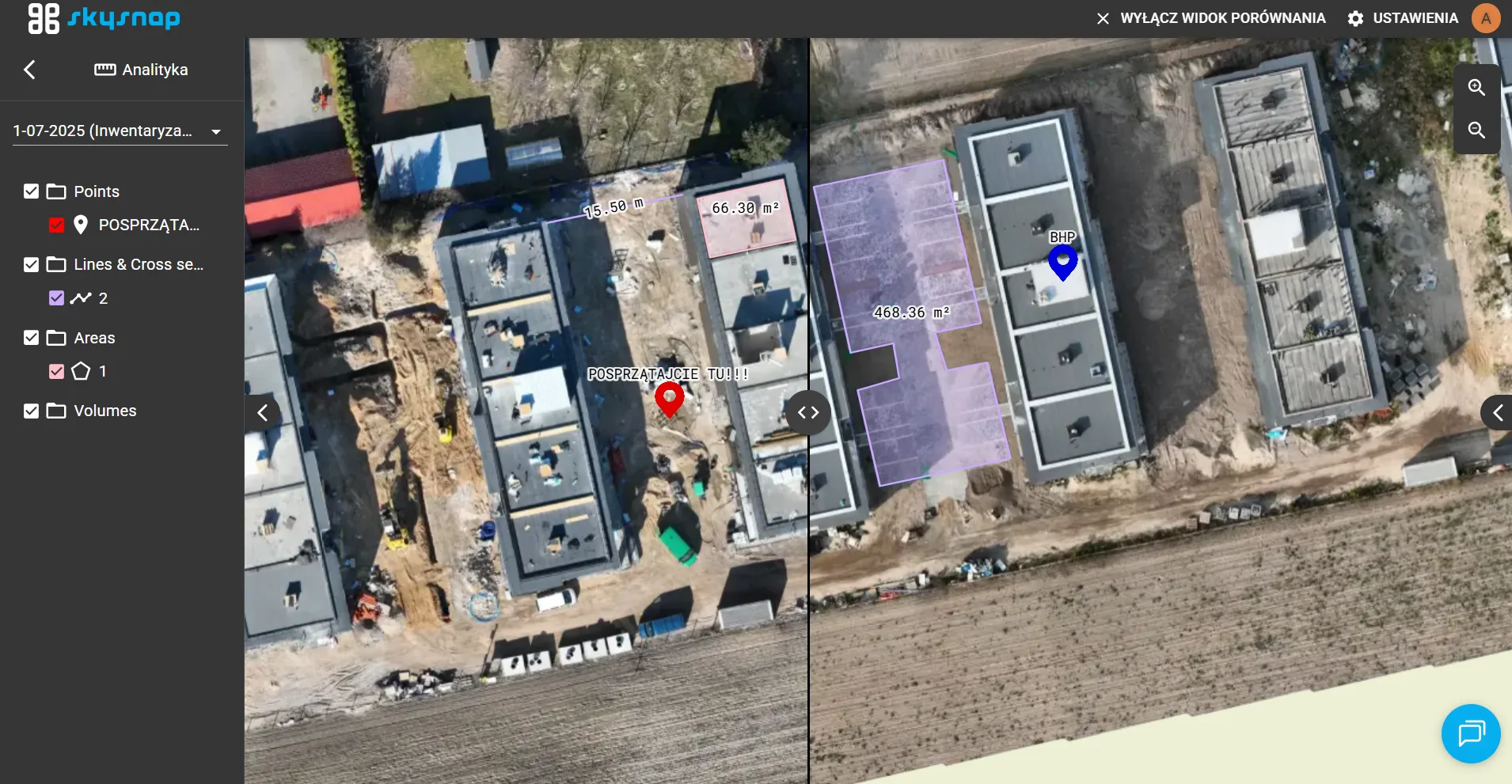
Regular drone surveys also make it possible to track milestones achieved, which is crucial for effective project management.
Inspections of hard-to-reach areas
Drones make it possible to inspect areas that are difficult or dangerous for humans to reach. As a result, they make it possible to assess the condition of structures without putting workers at risk.
- They allow assessment of the condition of roofs, chimneys or tall structures without the need for scaffolding or cranes.
- With high-resolution and thermal imaging cameras, the drones can detect damage invisible to the naked eye.
- The use of drones eliminates the need for an initial assessment of the condition from the ground, which speeds up the inspection process.
With these capabilities, drones are becoming an invaluable tool in the context of construction inspections, increasing safety and productivity.
The Future of Drone Inspection in the Construction Industry
The future of drone inspection in the construction industry looks promising. Advances in technology and integrations with other systems are creating new opportunities for the industry.
Technological innovations
Drone technology is constantly evolving, opening up new possibilities for their use in construction. The introduction of new features and hardware improvements increases the potential for their use.
Modern drones are being equipped with increasingly sophisticated sensors, better resolution cameras and more powerful navigation systems. Technologies such as artificial intelligence and machine learning are making it possible to automate some inspection tasks.
The introduction of technological innovations contributes to even greater inspection accuracy and efficiency, which is key to the development of the construction industry of the future.
Integration with other technologies
The integration of drones with other technologies, such as BIM (Building Information Modeling) and IoT (Internet of Things), opens up new opportunities for their use in construction.
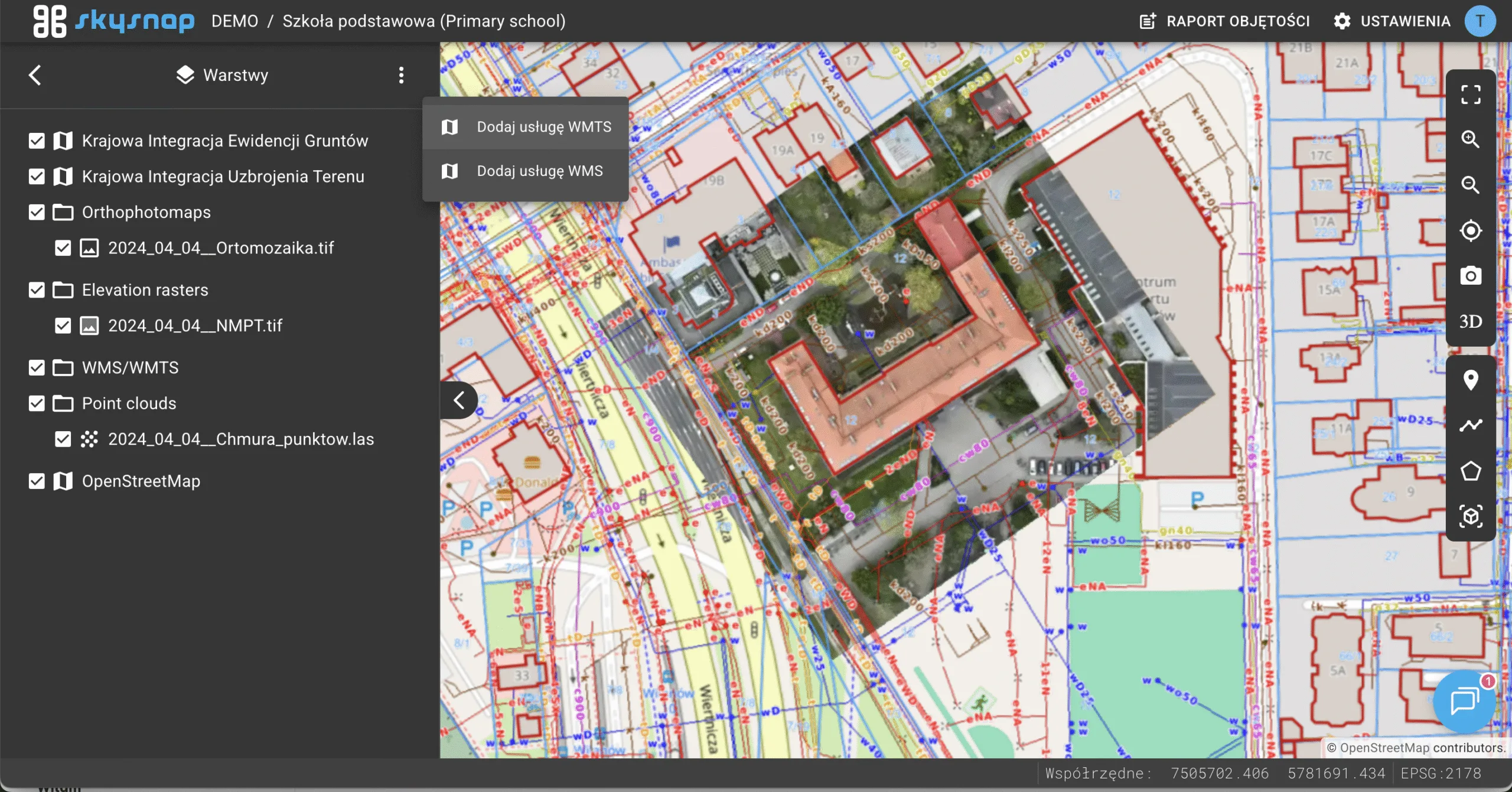
- Drone data can be directly integrated into BIM models, speeding up the design and construction management process.
- The combination with IoT technologies enables automatic monitoring and response to changes on the construction site.
- Integration with project management systems allows even better coordination of site activities.
These integrations increase work efficiency and enable better management of construction projects.
Challenges and Future Prospects
Despite the many benefits that drone use brings, there are also challenges to consider. Legal issues and the need for personnel training are just some of them.
Legal restrictions and security
One of the biggest challenges of using drones in construction is regulatory issues. Regulations on drone use can be complex and vary from country to country.
Companies must comply with local regulations on drone flights, which can involve obtaining permits and licenses. In addition, the security of data collected by drones is crucial, making it challenging for companies to protect sensitive information.
These issues require attention and caution to ensure the legal and safe use of drones in construction.
Training and adaptation of personnel
The use of drones requires proper training of personnel. Drone operators must be familiar with both the technical and legal aspects of drone use.
- Companies need to invest in training to ensure that their employees are proficient in operating drones.
- Adapting to the new technology may take time, but it is essential to realize the full potential of drones.
- Employees also need to be aware of best practices and safety procedures related to drone operations.
With the right approach, staff training can bring significant benefits and contribute to the success of construction projects.

Darmowy E-book
Poznaj sprawdzone metody wyceny zleceń: od obiektów budowlanych po duże naloty liniowe i przestrzenne. Ten poradnik pomoże Ci zarabiać skutecznie i pewnie.
Table of Contents:
Podoba Ci się artykuł? Podziel się nim z innymi!
Podoba Ci się artykuł? Podziel się nim z innymi!
Porady, wiadomości, spostrzeżenia
Powiązane artykuły
Sprawdź nasze artykuły i poznaj najnowsze informacje z branży.