How is drone processing changing our view of the world?
In the digital age in which we live, drones have become an integral part of our reality, offering new perspectives and opportunities. Thanks to advanced data processing technologies, the information collected by these flying devices is revolutionizing various areas of life. From monitoring the environment to supporting agriculture and urban planning, drones are providing data to help make more informed decisions. In this post, we’ll take a look at how drone data processing affects our perception of the world and the benefits it brings to society. Get ready to explore the fascinating world of aerial information.
Introduction to drone data processing
Drone technology has become a key element of the modern world, opening up new opportunities in data collection and analysis. It makes it possible to quickly obtain information from hard-to-reach places, which is of great importance for various sectors of the economy.
Definition and importance of drone technology
Drones, or unmanned aerial vehicles, are devices that can be remotely controlled or operate autonomously through pre-programmed routes. Their importance lies in their ability to collect data from different corners of the world, which is especially useful in places inaccessible to humans. Drones are equipped with a variety of sensors and cameras, allowing them to collect data in real time.
Thanks to advanced technology, drones can provide high-quality data, which is invaluable for scientific research, environmental monitoring and rescue operations. Their use is wide and continues to expand, becoming more and more accessible to various fields.
Increasing popularity of drones in various sectors
We are seeing a significant increase in the popularity of drones in many sectors.
- The film industry uses them to create spectacular aerial shots.
- In agriculture, drones are being used to monitor the condition of crops, allowing a quick response to changing conditions.
- The construction industry is also gaining from drones, using them to inspect hard-to-reach areas.
- In the security sector, drones are used to patrol and monitor large areas, making operations more efficient.
Drone applications in various fields
Drones are used in a wide range of fields, from agriculture to public safety. Their ability to collect data quickly and accurately makes them an invaluable tool in monitoring and analyzing various environments.
Agriculture and crop monitoring
In agriculture, drones are revolutionizing the way crops are monitored. With advanced cameras and sensors, drones can assess plant health and detect diseases at an early stage.
- The drones provide soil moisture data to optimize irrigation.
- Aerial crop monitoring makes it possible to quickly identify areas in need of intervention.
- Farmers can significantly reduce the amount of pesticides used, which is good for the environment.
Infrastructure inspections and security
Infrastructure inspections have become simpler and safer thanks to drones. They can reach hard-to-reach places, such as bridges, towers and pipelines, without having to hire humans for risky tasks.
Advantages of using drones in inspections:
- Safety: Eliminate risks for people working at heights.
- Efficiency: They quickly identify potential problems, allowing them to be resolved quickly.
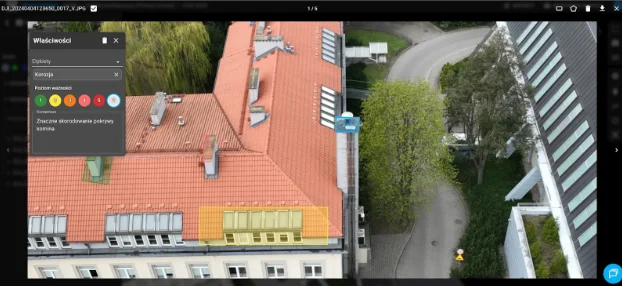
- Accuracy: Provide detailed images that can be analyzed for more accurate assessment.
Drone data processing
Drone data processing requires advanced technologies and analytical tools. With them, it is possible to obtain valuable information that can be used in various fields.
Data analysis technologies and tools
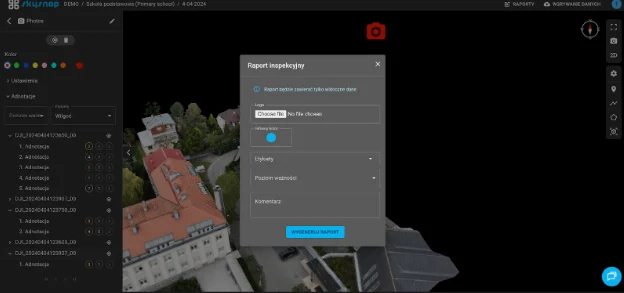
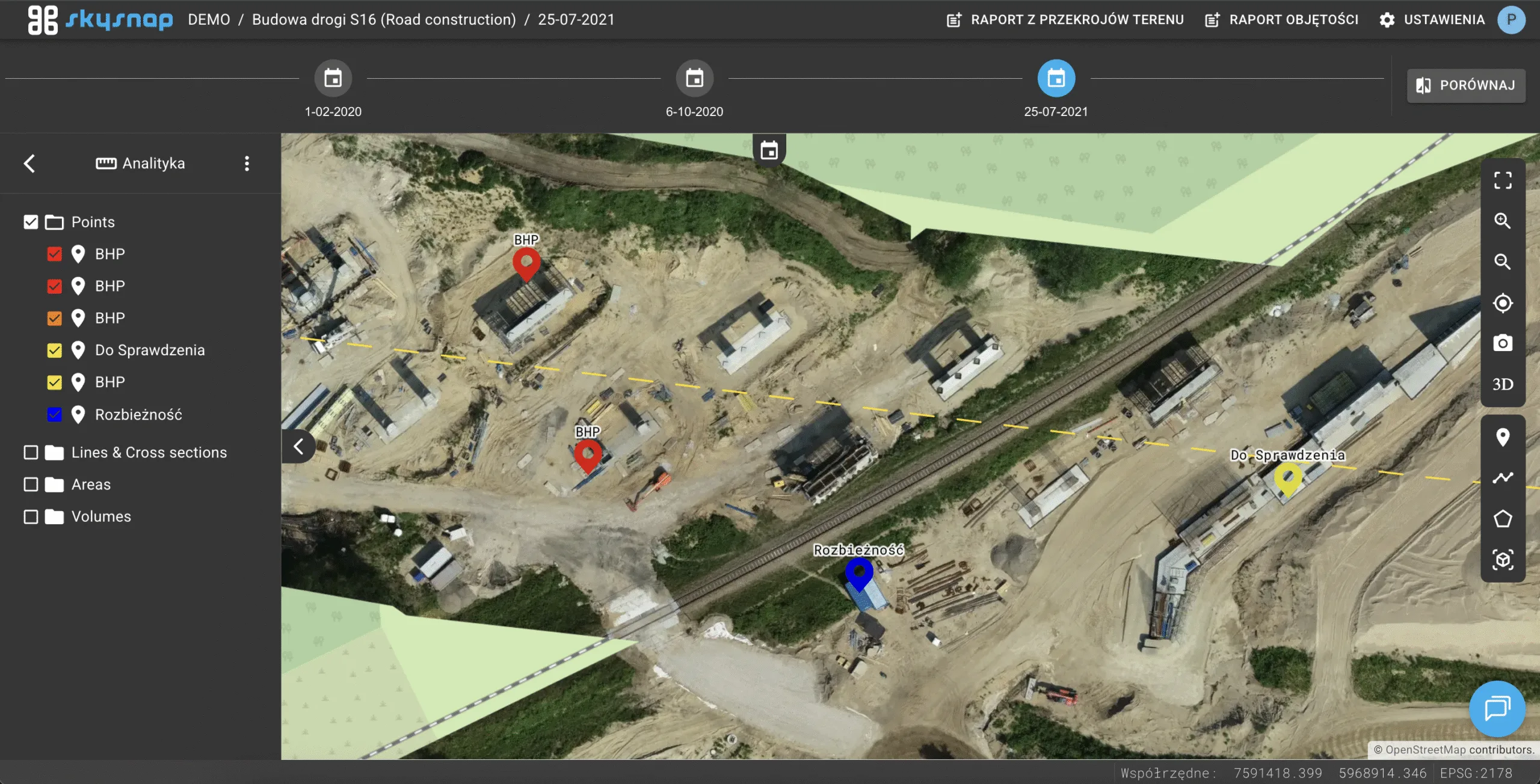
Drone data analysis technologies include advanced software capable of processing large amounts of information. These programs are able to analyze images and sensory data, providing detailed reports.
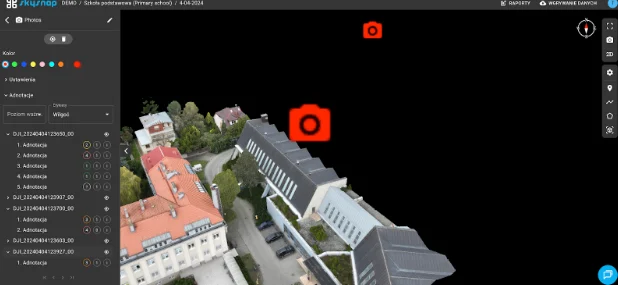
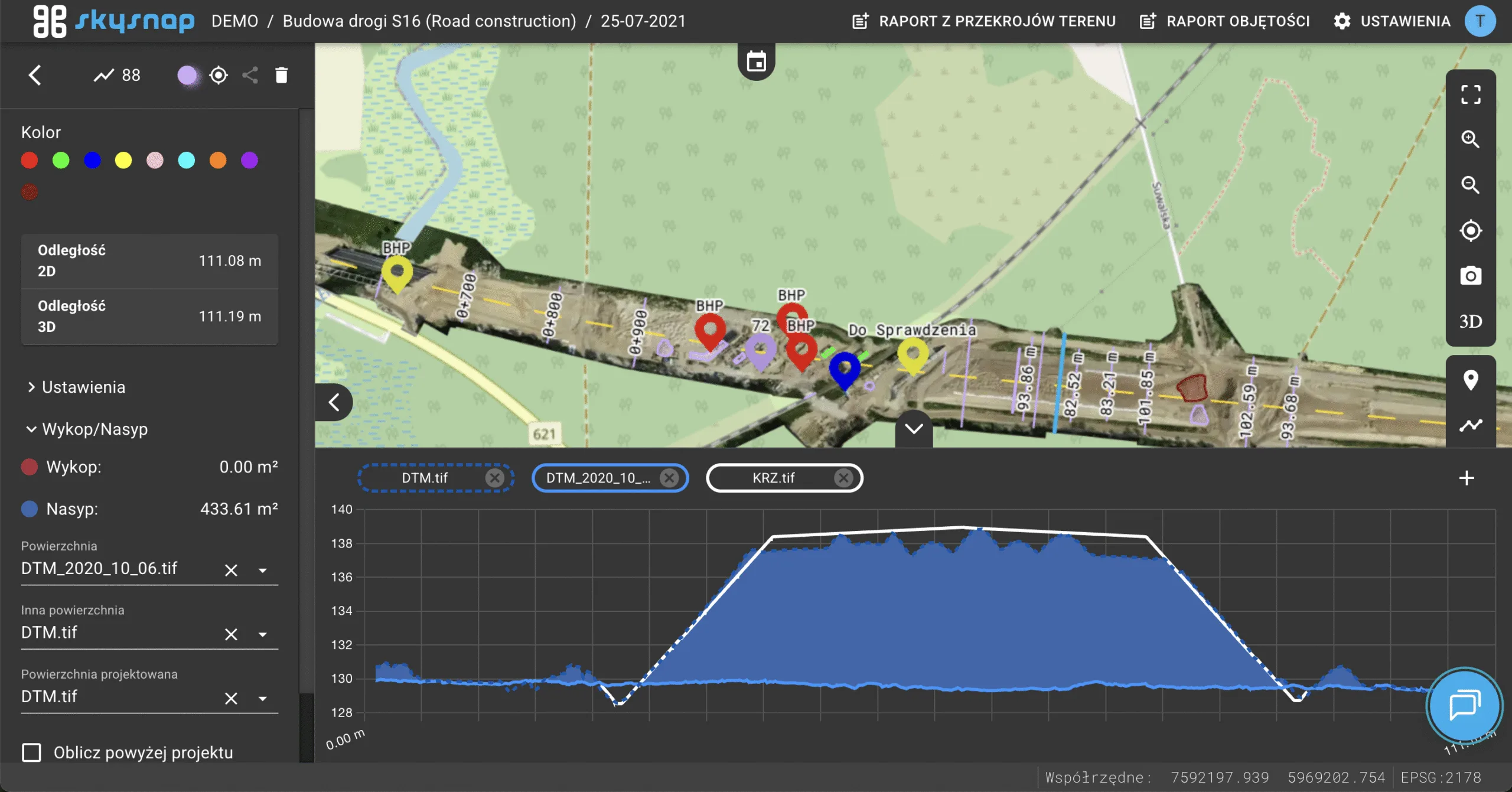
Modern data analysis tools enable 3D terrain modeling, which is useful in urban planning and spatial planning. This allows you to better understand the topography of the land and plan the efficient use of space.
Challenges in drone data processing
Drone processing poses several challenges, such as managing large volumes of data and ensuring its security.
- Data storage: Large amounts of data require an efficient storage system, which is expensive and requires sophisticated hardware.
- Information security: The data collected must be protected from unauthorized access, which is crucial for privacy.
- Data management: The need to process and analyze them quickly requires the right skills and technology.
The impact of drones on our perception of the world
Drones are changing the way we see the world, offering new opportunities for exploration and analysis. They allow us to gain information that was previously beyond our reach.
New perspectives and opportunities for exploration
Drones offer unique perspectives that change the way we see landscapes and spaces. They make it possible to capture natural phenomena from a whole new perspective.
- Drones allow observation of natural phenomena at close range, without disturbing their natural course.
- Exploring new places is now easier and more accessible thanks to aviation technology.
Changes in decision-making through data analysis
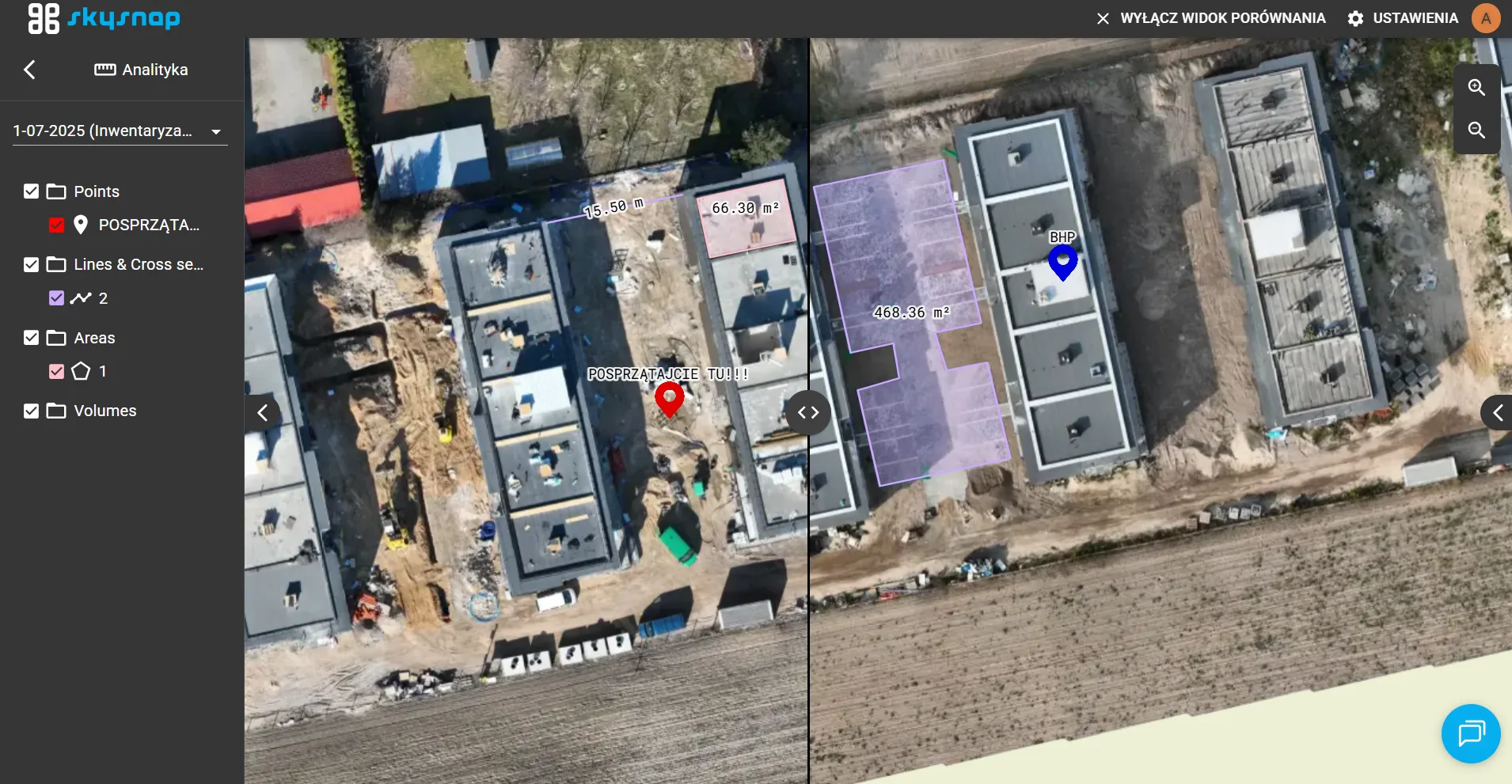
With drone data analysis, decisions can be made based on more complete information. This significantly affects the quality and speed of decisions in many sectors.
- Improving decisions: Drone data provides more accurate information, allowing for better understanding of the situation.
- Speed: The ability to instantly access aerial data accelerates responses to changing conditions.
The future of drone photogrammetry
The future of drones promises to be a promising one, with many opportunities for technology development and applications. As technology advances, drones will become more advanced and available to a variety of industries.
Directions of drone technology development
Developments in drone technology will focus on increasing their autonomy and performance. Increased computing power and better batteries will allow for longer and more complex missions.
Modern drones will use artificial intelligence to make autonomous decisions, which will significantly increase their efficiency. In addition, developments in the miniaturization of technology will allow for their wider use.
Potential future applications
The future of drones is not only more automation, but also the expansion of their applications into new areas. We can expect drones to become a key tool in logistics, medicine or environmental protection.
- Logistics: Drones will deliver packages and parcels faster and more efficiently.
- Medical: The ability to deliver drugs and medical supplies to remote locations.
- Environmental protection: Collecting data to monitor climate change and conservation.
Drone processing will play a key role in shaping the future of technology and society.

Darmowy E-book
Pomiar objętości materiałów, kruszyw oraz robót ziemnych na placu budowy to jeden z najważniejszych zastosowań dronów. Dlaczego? Bo to czas i pieniądze! Pobierz nasz krótki e-book i dowiedz się jak możesz monetyzować swoją pasję z dronów.
Table of Contents:
Podoba Ci się artykuł? Podziel się nim z innymi!
Podoba Ci się artykuł? Podziel się nim z innymi!
Porady, wiadomości, spostrzeżenia
Powiązane artykuły
Sprawdź nasze artykuły i poznaj najnowsze informacje z branży.