How drones are revolutionizing construction surveying: A layman’s guide
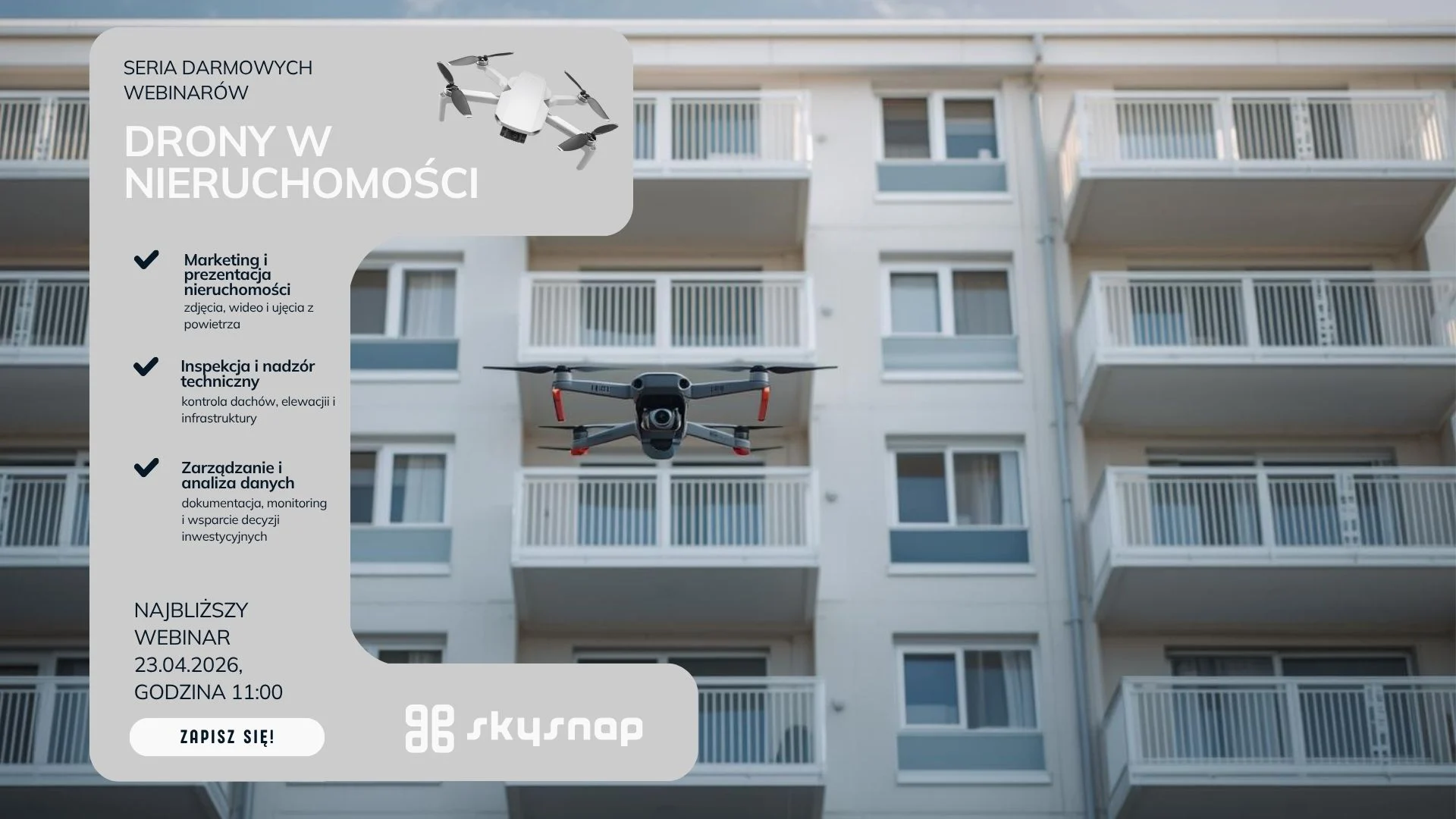
In recent years, drones have become an indispensable tool in many industries, including construction. They have added a whole new dimension to surveying processes, enabling precise and fast data collection from hard-to-reach locations. The use of drones not only saves time, but also reduces costs and minimizes risks for workers. In this article, we’ll take a look at how drones are changing the way we approach construction surveying, and the benefits they can bring to professionals and nonprofessionals alike. We invite you to discover how these modern technologies can simplify and streamline construction site processes.
Introduction to drones in construction
Drones are gaining popularity in the construction sector due to their versatility and technological capabilities. They facilitate work at various stages of construction, from planning to monitoring the progress of work.
History of drone use
The first drones appeared on the battlefield, but quickly found application in civilian fields. Their evolution into construction tools was a natural step, as faster and safer ways to monitor large areas were needed.
The use of drones in construction began with simple observation tasks. Over time, thanks to the development of technology, they have become an invaluable tool in complex infrastructure projects. They allow faster processing of data and more accurate analysis of terrain.
Drones have changed the way construction sites work, enabling precise measurements and documenting the progress of work. These types of solutions are increasingly becoming standard on major construction projects.
First steps in drone measurements
The first drone measurements were limited by technology and lack of experience. However, over time, technological innovations have enabled more advanced applications.
- Early models: They had limited functionality, but evolved quickly.
- Technology development: drones have started using advanced software, which has increased their use in construction.
- The future: New technologies promise even better precision and efficiency.
The first experience with drone measurements laid the groundwork for further development of this technology. What once seemed like a futuristic idea is now a reality on many construction sites.
How drones are changing construction surveying
Drones are revolutionizing construction surveying, offering new opportunities in terms of accuracy, time and resource savings. The construction industry is gaining greater efficiency and safety from them.
Accuracy and precision of measurements
Accuracy is key in construction, and drones are bringing new standards of precision. With advanced sensors and cameras, the drones can capture detailed data with high accuracy.
Drones offer the ability to take measurements in hard-to-reach areas, which was previously a challenge. They also make it possible to monitor changes in the field in real time, which significantly improves decision-making.
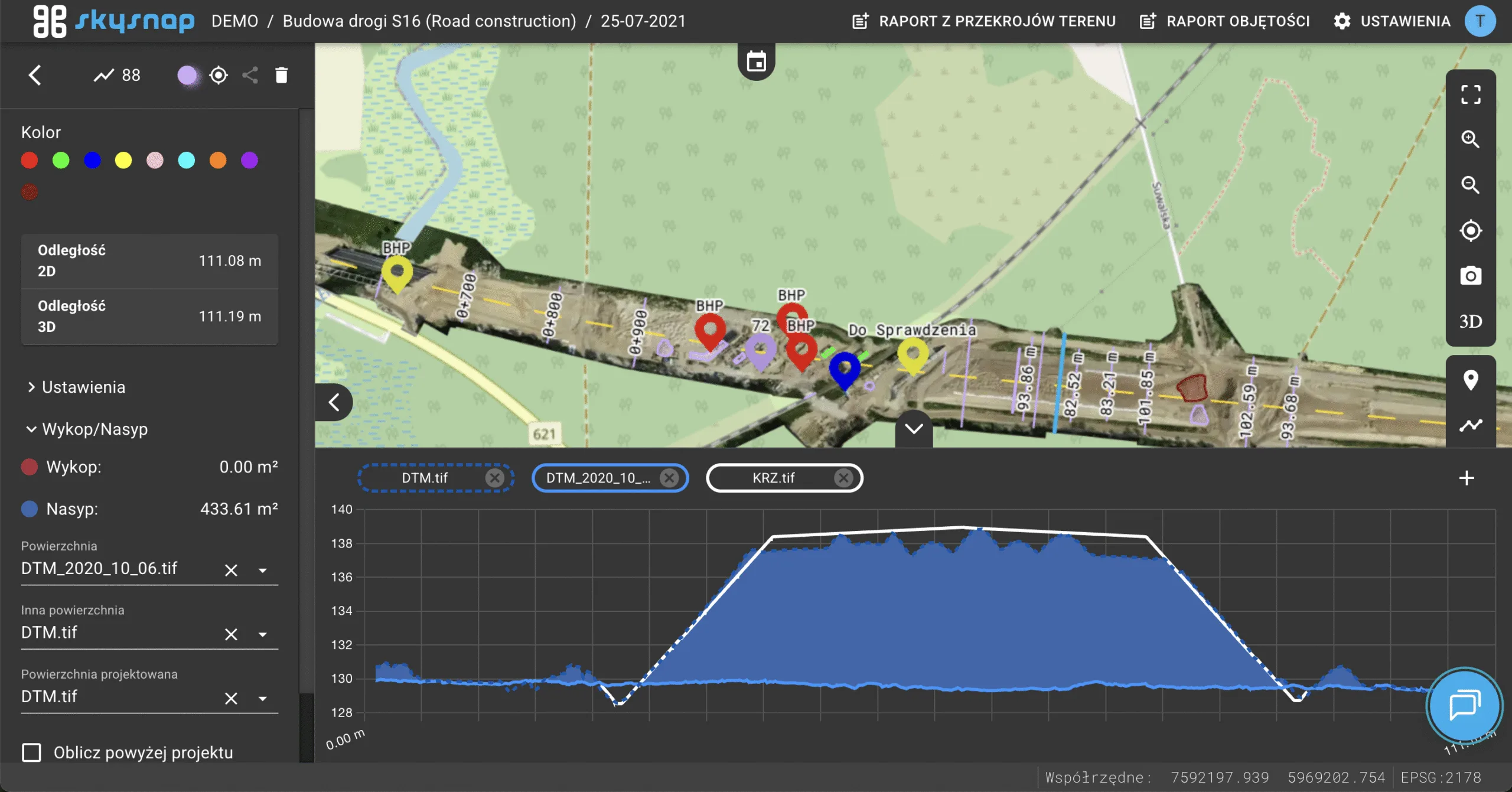
A comparison of traditional and drone surveying methods shows that drones can provide data faster and with greater accuracy. This makes them an invaluable tool in complex construction projects.
Thanks to drones, it is possible to reduce measurement errors, which translates into better quality of projects.
Saving time and resources
The time-saving benefits of drones are significant. They allow rapid data collection, which translates into more efficient project management.
- Speed of operation: Drones can cover large areas in a short period of time.
- Resource reduction: Fewer field workers needed, reducing costs.
- Safety: Less risky operations for people.
Drones enable more efficient resource planning, which is crucial in large construction projects. As a result, operating costs can be significantly reduced.
Use of drones in various stages of construction
Drones are used in various phases of construction, from site preparation to monitoring the progress of work. Their versatility makes them an invaluable tool in every phase of a project.
Site planning and preparation
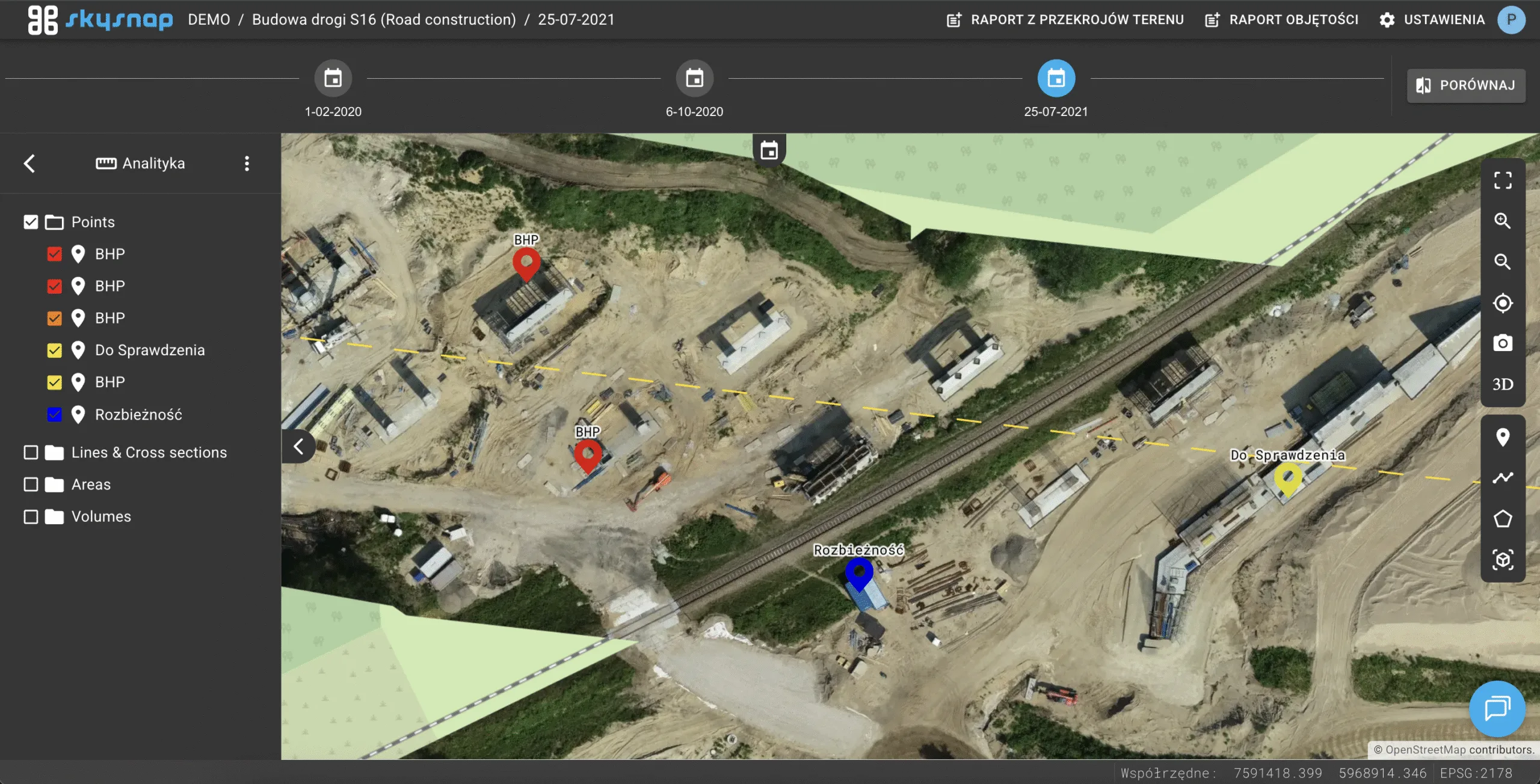
During site planning and preparation, drones can provide accurate topographic data, which is crucial for effective design.
The use of drones in this phase allows:
- Rapid terrain mapping: Precise terrain data.
- Assessment of conditions: Analysis of possible obstacles and risks.
- Optimizing projects: More accurate data enables better planning.
Drones provide information that can significantly influence design decisions, resulting in more efficient site management.
Monitoring construction progress
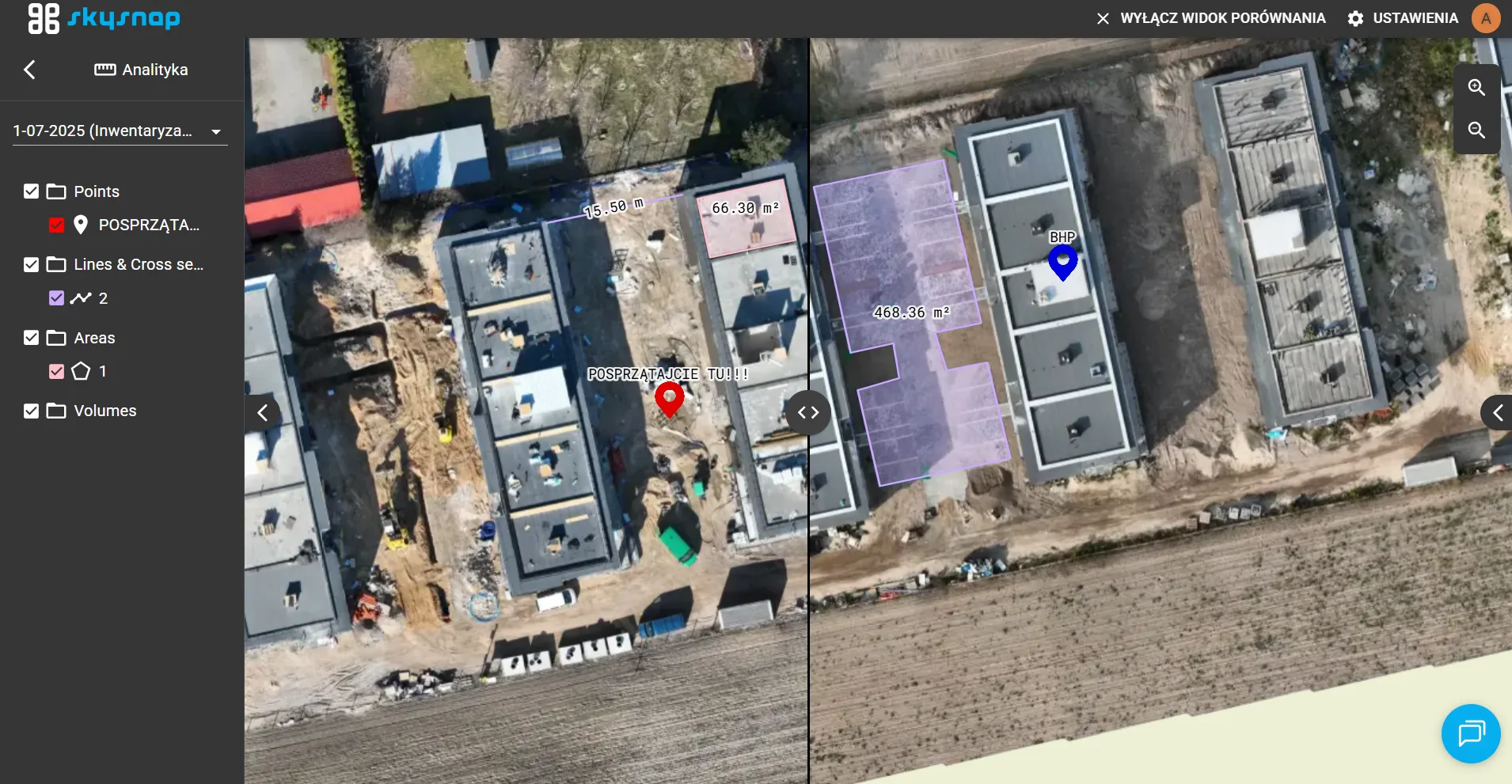
Monitoring construction progress is key to maintaining the schedule. Drones enable ongoing monitoring and documentation of changes on the construction site.
- Regular inspections: Quick and efficient construction condition inspections.
- Visual documentation: Photos and videos documenting the progress of the work.
- Progress analysis: Identify any delays or problems.
With drones, project managers can respond quickly to any irregularities, resulting in greater efficiency and cost reductions.
Technology and equipment in construction drones
Modern construction drones use advanced technologies that improve their efficiency and precision. Choosing the right equipment is crucial to the success of a project.
Modern technology in drones
Modern drones are equipped with advanced GPS systems, high-resolution cameras and sensors that provide unparalleled precision.
- LiDAR sensors: Enable accurate 3D measurements of the terrain.
- Thermal imaging cameras: Used to identify structural problems.
- Analysis software: Facilitates data processing and interpretation.
These technologies allow for more comprehensive and accurate analysis, which is crucial for complex construction projects.
Choosing the Right Equipment
Equipment selection depends on the specific needs of the project. It is important to understand what functions are critical to the task at hand.
- Defining requirements: What data is needed for the project?
- Model comparison: Which drones offer the required features?
- Costs and benefits: Is the investment in a particular drone cost-effective?
Choosing the right equipment can determine the success or failure of a project. Therefore, it is important to carefully analyze the available options and match them to the needs of the project.
The future of drones in the construction industry
The future of drones in the construction industry looks promising. Technological innovations and developments in the industry are creating new opportunities, but they also bring challenges.
Innovation and technology development
The development of drone technology is not stopping. New features and capabilities are making drones more advanced and versatile.
- Artificial intelligence: Enhances data analysis and process automation capabilities.
- Increased battery performance: Allows for longer and more comprehensive missions.
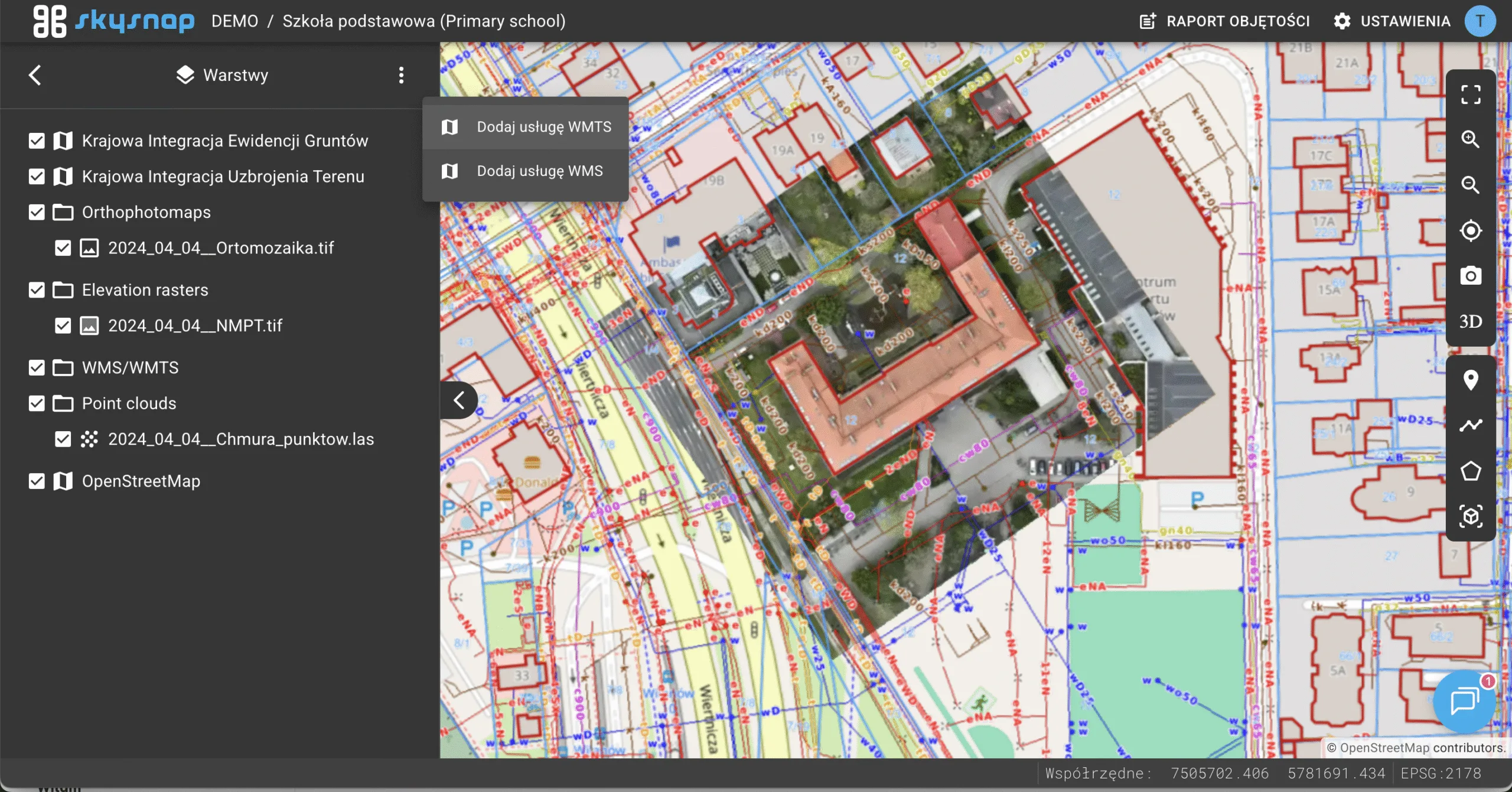
- Integration with BIM: Enables more efficient management of construction projects.
These innovations can significantly change the way construction projects are conducted, making them more efficient and safer.
Challenges and opportunities for the industry
As the technology develops, there are new challenges to overcome to realize the full potential of drones.
The challenges are mainly related to regulations, data securityand integration of new technologies into existing processes.
However, the opportunities offered by drones are vast. They contribute to increasing efficiency, reducing costs and improving the quality of construction projects.
The market opportunity is a chance to develop and innovate that can revolutionize the construction industry.

Darmowy E-book
Dowiedz się, jakie usługi oferować, komu je sprzedawać i jak napisać skutecznego maila z ofertą. Gotowe szablony, porady i przykłady kampanii, które naprawdę działają.
Table of Contents:
Podoba Ci się artykuł? Podziel się nim z innymi!
Podoba Ci się artykuł? Podziel się nim z innymi!
Porady, wiadomości, spostrzeżenia
Powiązane artykuły
Sprawdź nasze artykuły i poznaj najnowsze informacje z branży.